Quick answer
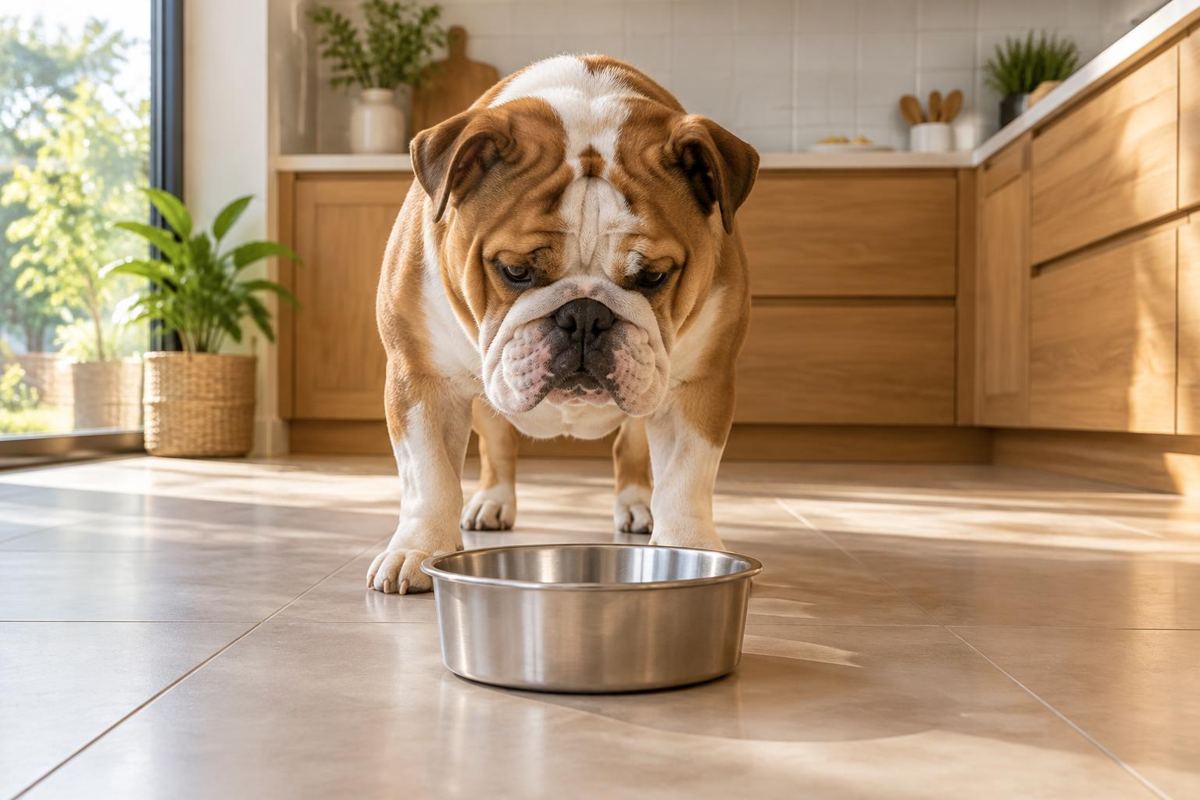
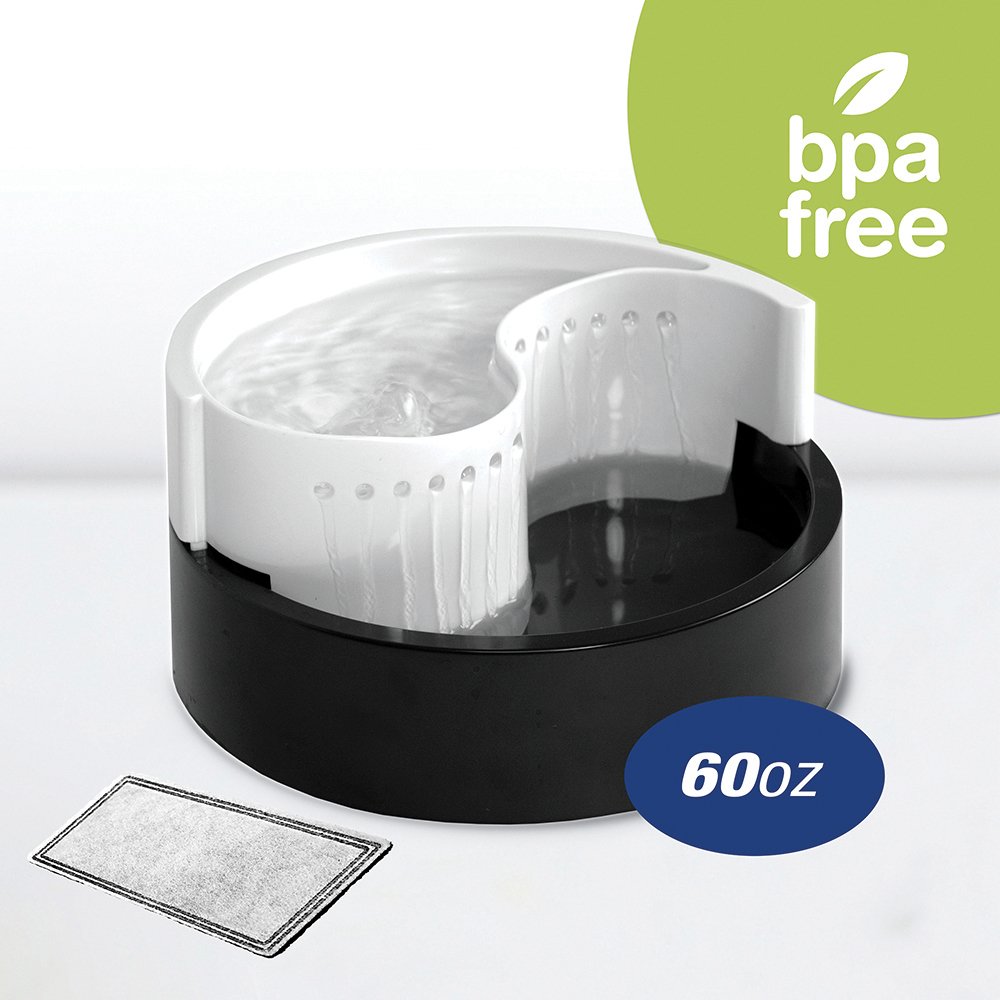
Most of the time a bulldog's water bowl runs low because of hot weather, a bowl that is too small, and messy drinking that sends water onto the floor instead of into the dog. Put out more than one water source in the shade, size the bowl for a hot day and set it on a mat so spills stay in one spot. If your dog is suddenly drinking much more (or much less) than usual, that is a reason to call your vet, not to buy a bigger bowl.
What it looks like
- You fill the bowl in the morning and it's dry by lunchtime on a Queensland summer day.
- There's a puddle around the bowl, a wet trail across the kitchen and a damp chin resting on your leg.
- The bowl gets pushed, tipped or flipped, so the dog is left with nothing while you're at work.
- The water that is left by afternoon is warm, has bits of food in it and a slimy film on the sides.
- You can't tell whether your dog is actually drinking more, or just spilling more.
Why it happens
Hot days mean more drinking
Dogs drink more when it's hot, when they've been active and depending on what they eat. University of Sydney vets note that animals may drink more than usual on a hot day and recommend cool, fresh water from several sources throughout the day. A bowl that's fine in July can be empty by noon in January.
Flat-faced dogs handle heat poorly
Short-nosed breeds can't cool down as easily as longer-nosed dogs. A large UK study of dogs under veterinary care found bulldogs and French bulldogs among the breeds at higher risk of heat-related illness, along with dogs that were heavier than average for their breed. That makes reliable water and shade more important for our dogs, not less.
The bowl is simply too small
A healthy dog usually drinks around 40 to 60 ml per kilogram of body weight a day, and more in heat or after exercise. For a 25 kg British bulldog that's up to about 1.5 litres on an ordinary day. A small bowl that holds 500 ml can only cover part of that, so it needs topping up several times.
Dogs are messy drinkers by design
Dogs don't have full cheeks, so they can't sip. Researchers at Virginia Tech filmed dogs drinking and found they flick the tongue into the water and pull it back very fast, lifting a column of water into the mouth, with some water tossed out to either side. Add a wide, short face and wet jowls, and a fair share of the bowl ends up on the floor.
Bowls get knocked over
The RSPCA advises having extra water sources in case of spillage, and RSPCA Queensland recommends more than one water source in case a dog knocks a bowl over. A single lightweight bowl on a slippery floor is easy to push, flip or empty in one go.
Warm, dirty water is less appealing
Water left in the sun heats up, and bowls build up a slimy film. That film is a biofilm: bacteria held in a slime they make. A vet-written column recommends scrubbing water bowls daily with hot, soapy water. A small study at Hartpury University found bacterial counts in dog water bowls rose over 7 and 14 days whatever the bowl was made of.
When to talk to your vet
Warning signs
- Your dog is suddenly drinking noticeably more than their usual amount, and the bowl needs refilling much more often than it used to, even on cool days.
- They've started drinking from odd places, such as puddles, the bird bath or the toilet.
- They're weeing more often or for longer, asking to go out more, or having accidents inside.
- They won't drink at all, or are drinking much less than normal.
- Signs of dehydration: tiredness, dry or sticky gums, thick saliva or dull, sunken eyes.
- Signs of heat stress: relentless panting, drooling, very red or pale gums, a bright red tongue, breathing distress, vomiting, weakness, wobbliness or collapse.
- Bringing up water or food soon after drinking or eating, or drooling a lot.
If you see any of these, call your vet.
Vets use a rough guide: drinking more than about 100 ml per kilogram a day is generally treated as excessive. If you're unsure, measure what goes into the bowl over 24 hours and take that number to your vet. There are many possible medical reasons for a change in thirst, and only a vet can sort them out.
The tools that help
Before any products: more than one bowl, kept in the shade, cleaned daily. That alone fixes a lot of empty-bowl days. RSPCA NSW suggests several water bowls around the house and yard, out of direct sunlight, so one tipped bowl doesn't leave your dog with nothing.
Here's what we use with our own dogs. You'll find all of these on our Water bowl runs low page.
Pioneer Pet Plastic Automatic Dog Water Fountain 1.7L, $87.95
This is a 1.7 L plastic fountain, so it holds more than a typical small bowl and needs refilling less often. It keeps the water moving through a filter. It doesn't replace checking on your dog. Treat it as the main water station indoors and keep a plain bowl somewhere else as a backup.
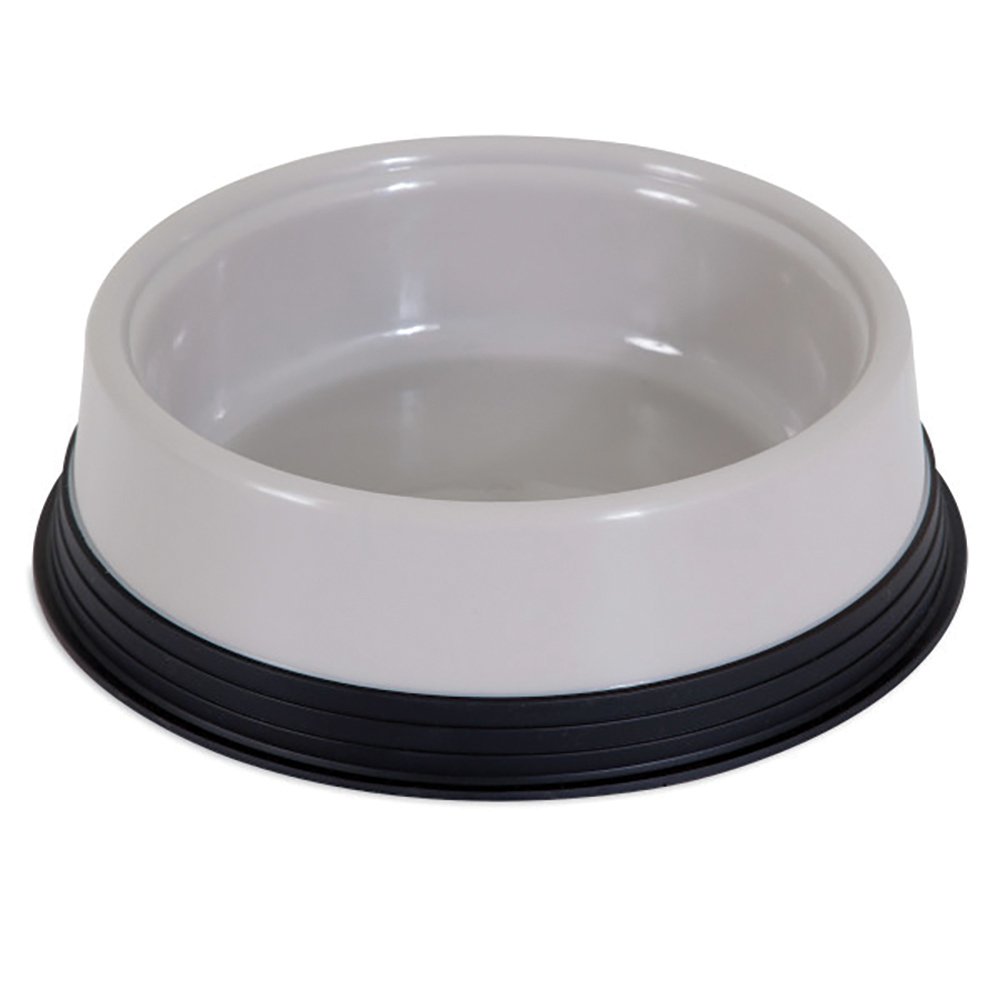
JW Non-Slip Dog Feeding Bowl, Jumbo, $21.95
A non-slip bowl that stays put. We use one as the second water station, in a shady spot outside or in another room, so there's always water if the fountain is being cleaned or a bowl gets emptied.
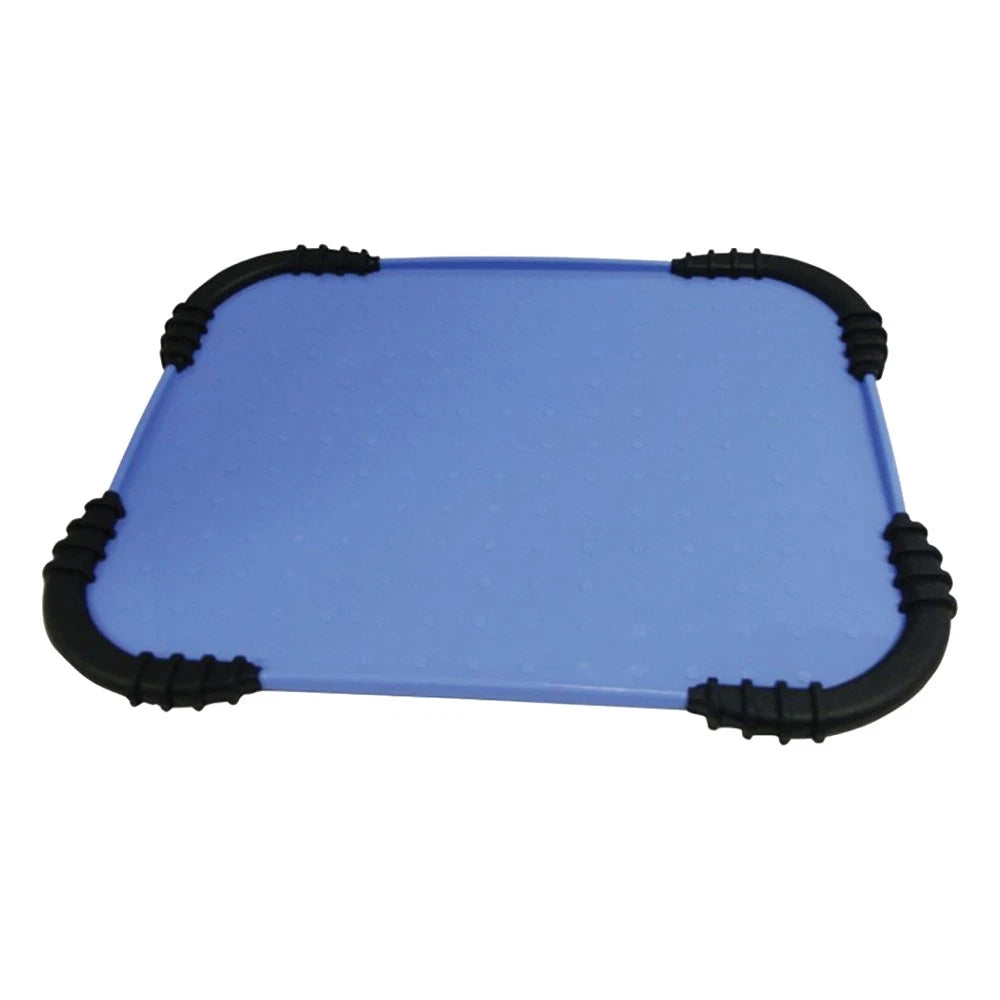
JW Anti-Slip Dog Feeding Mat, $26.95
An anti-slip mat for under the bowls. It keeps the drinking spot and the mess in one zone you can wipe.
Petrageous Non-Slip Dog Food Bowl Placemat
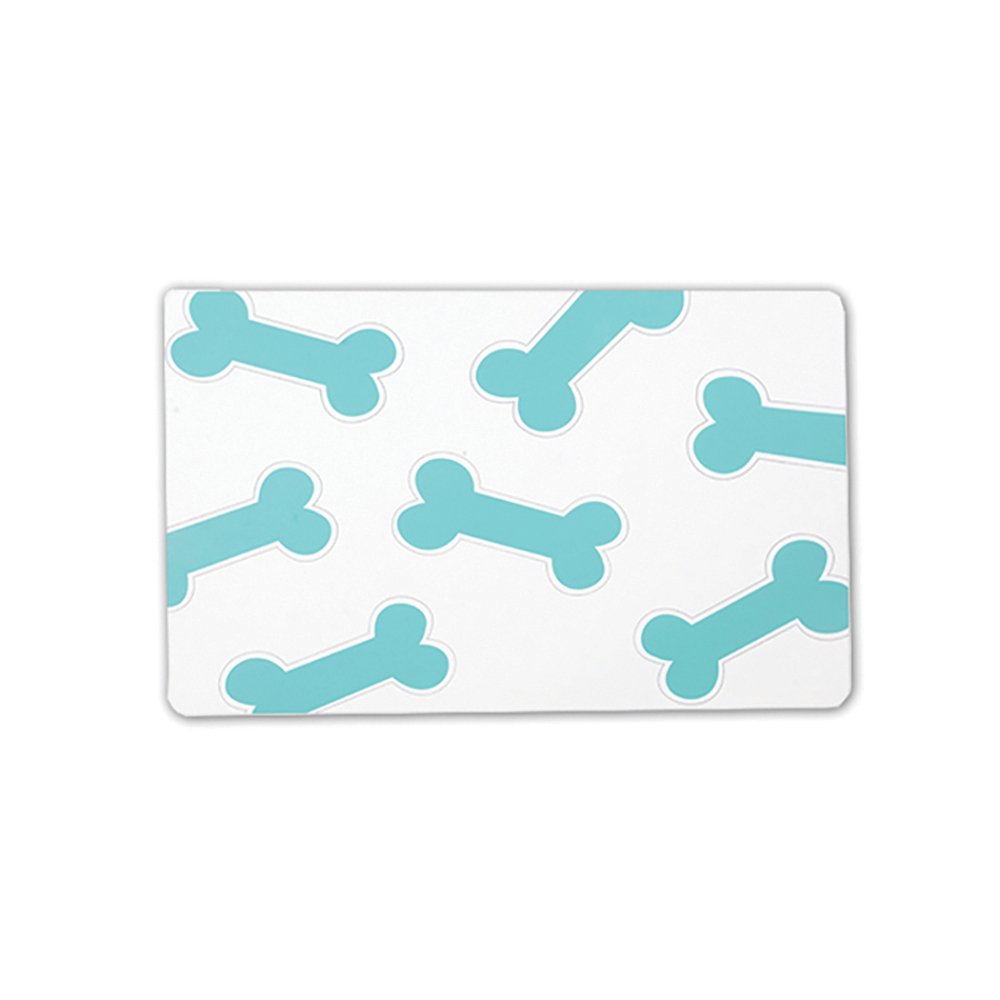
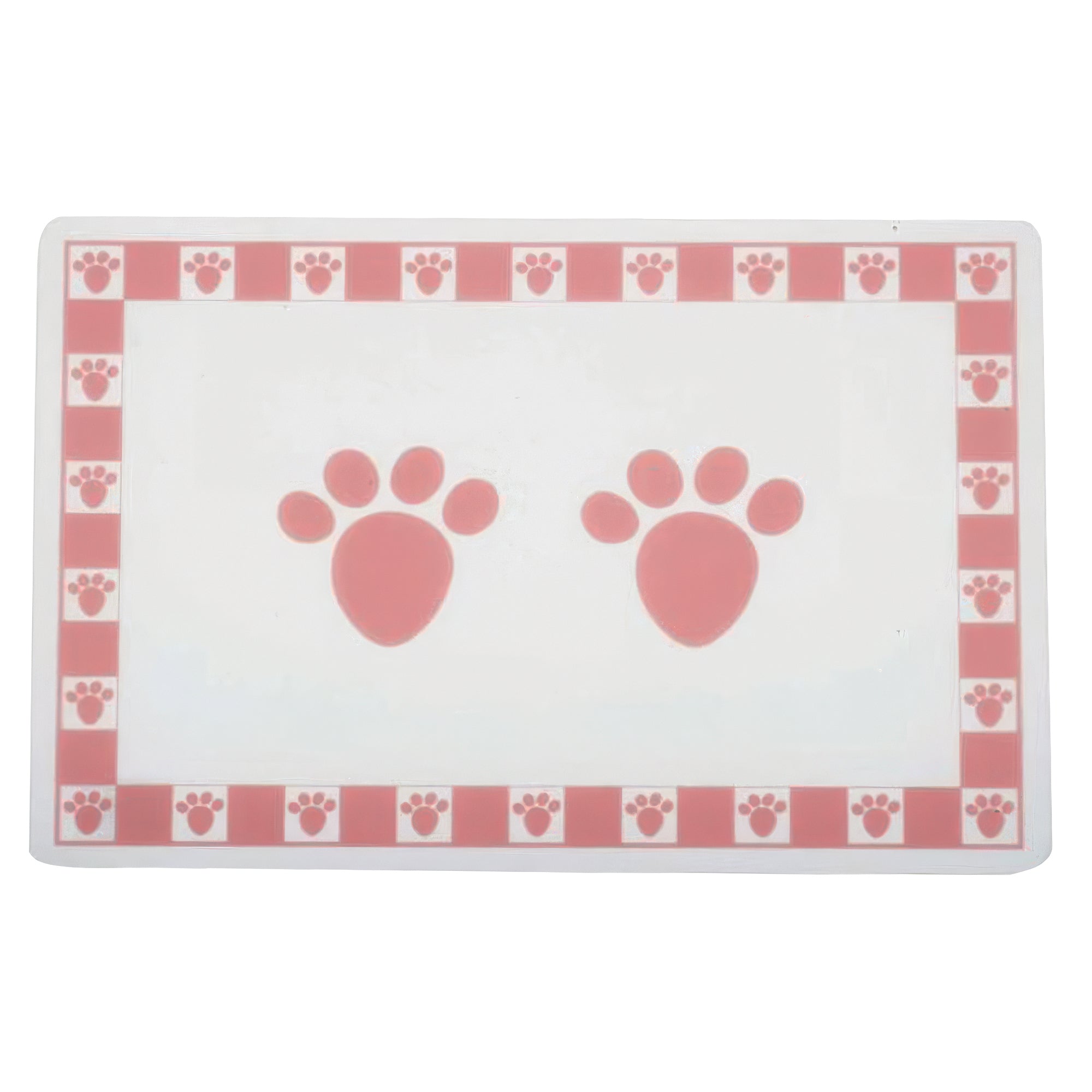
Petrageous Non-Slip Dog Food Bowl Placemat, Bones Print, $25.95 (also as Petrageous Non-Slip Dog Food Bowl Placemat, Pink Paws, $25.95)
A non-slip placemat for the backup bowl. It gives each water station one defined place.
If bowls sliding at mealtimes is the bigger issue, see Bowl slides and spills. On days that are too hot for a walk, Too hot to walk has ideas for indoor play.
Step by step
- Day 1: Measure. Fill the bowl with a measured amount in the morning and note how much you add through the day. Do it for two or three days so you know your dog's normal. Watch how much ends up on the floor.
- Day 1: Work out what they need. Multiply your dog's weight in kilograms by 60 ml for a rough everyday figure, then expect more on hot days. If the bowl holds less than that, it's too small.
- Day 2: Add a second water source. Put one indoors and one in a spot that's shaded all day. Remember the sun moves, so check the outdoor spot at 3 pm as well as 9 am.
- Day 2: Put a mat under each station. This stops sliding and shows you how much is being spilled rather than drunk.
- Week 1: Set a cleaning routine. Scrub bowls daily with hot, soapy water and rinse well. Rinse the fountain regularly too.
- Week 1: Plan for hot days. On forecast hot days, fill everything before you leave, add a few ice cubes to the bowls, and keep your dog inside or in the coolest shaded space.
- Week 2: Check the numbers. Compare your notes. If intake is steady and the bowl is lasting, you're done. If your dog is drinking much more or less than in week 1 without an obvious reason like heat, call your vet.
- Ongoing: Review each season. Move bowls as shade changes, add a third station for summer, and repeat the 24-hour measure if anything seems different.
Free plan
Free: The Water Bowl Check. Printable, one page.
FAQ
How much water should my bulldog drink a day?
A healthy dog usually drinks about 40 to 60 ml per kilogram of body weight a day, so around 0.5 to 0.7 litres for a 12 kg Frenchie. Heat, exercise and diet all change this, so learn your own dog's normal.
Is it bad that my dog drinks a lot of water?
More drinking on a hot day or after play is normal. A sudden, lasting increase without a clear reason is worth a vet visit, because there are many medical causes of increased thirst.
Can I put ice cubes in my dog's water?
University of Sydney vets suggest adding a few ice cubes to water bowls on hot days. If you think your dog is already overheating, the RSPCA advises against ice-cold water or ice, so call your vet instead.
Why does my bulldog make such a mess when drinking?
Dogs drink by flicking the tongue in and out very fast, and some water is tossed to the sides of the mouth each time. A short face and wet jowls add to it. A non-slip mat under the bowl keeps the mess in one place.
Should I leave water out all day?
Yes. RSPCA NSW says pets should have fresh, cool water at all times, ideally from more than one bowl, kept out of direct sunlight.
How often should I clean my dog's water bowl?
A vet-written column recommends scrubbing water bowls daily with hot, soapy water. The slime that forms on bowls is a bacterial biofilm.
What if my dog suddenly stops drinking?
If your dog won't drink at all, get veterinary help straight away. Dehydration needs prompt attention.
Related guides
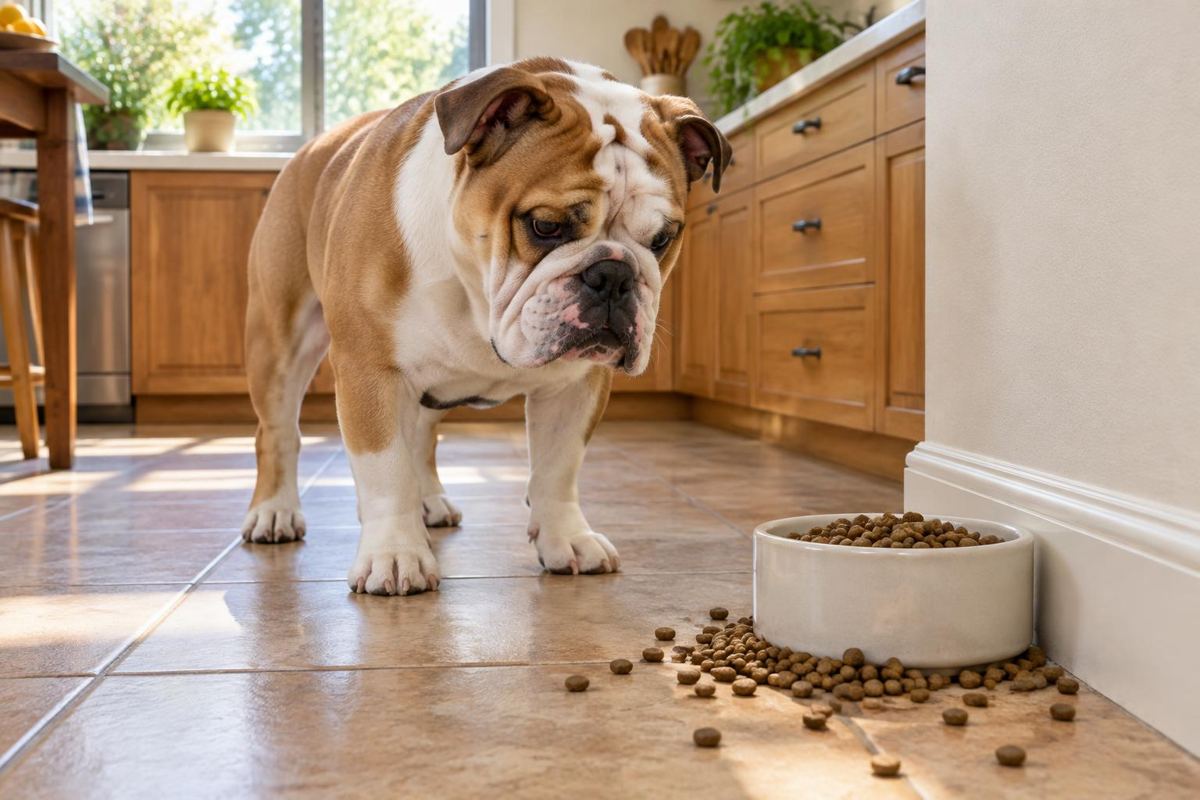
Bowl slides and spills
Why does my bulldog push their bowl across the floor? (And what actually helps)
Most bulldogs push their bowl because their short face hits it nose-first.
Read the guide →
Too hot to walk
Is it too hot to walk my bulldog? (And how to keep them busy indoors)
If it's hot or humid, or the footpath is too hot for the back of your hand for five seconds, it's too hot to walk a bulldog.
Read the guide →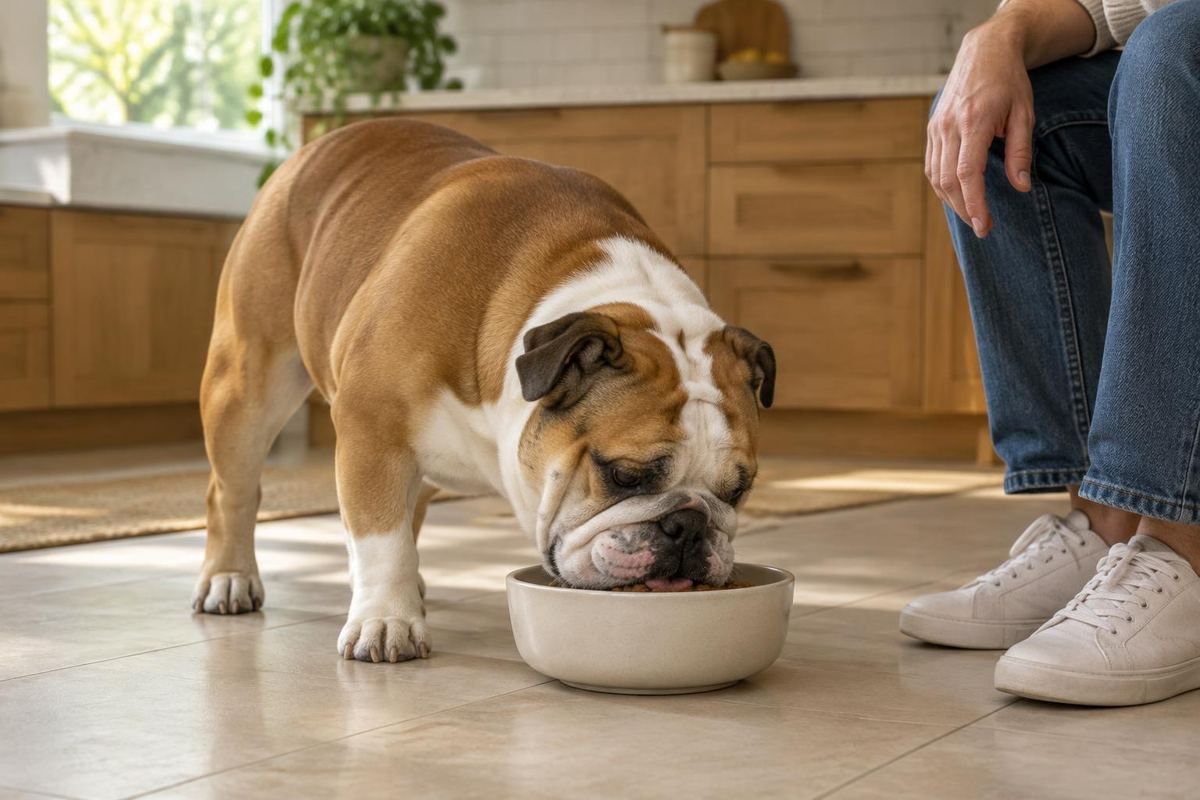
New puppy
Bulldog puppy checklist: feeding, toys and car travel
A practical bulldog puppy checklist: choose accessible feeding products, car harnesses sized by chest, comfort items and supervised enrichment for flat-faced dogs.
Read the guide →Sources (12)
- University of Sydney, "9 ways to keep your pet cool this weekend"
- The University of Queensland, "Protect your pets from the heat"
- RSPCA Australia, "Keeping your pet safe during heat"
- RSPCA NSW, "Keep Cool: Helping our furry and feathered friends beat the heat this summer"
- RSPCA Queensland, "Keeping all types of pets cool"
- Hall, Carter and O'Neill (2020), "Incidence and risk factors for heat-related illness (heatstroke) in UK dogs under primary veterinary care in 2016", Scientific Reports
- Kaye et al. (2018), study of airway syndrome and gastrointestinal signs in French bulldogs, English bulldogs and pugs, Journal of Small Animal Practice
- Elwood Vet, "Increased thirst and urination"
- American Kennel Club, "Why is my dog drinking so much water?"
- ScienceDaily (Virginia Tech, PNAS 2015), "How dogs drink"
- Wright and Carroll (2018), "Microbiological assessment of canine drinking water and the impact of bowl construction material", Hartpury University
- Lee Pickett VMD, "Scrub pet's food and water bowls daily"