Quick answer
Set up a small, safe sleeping area close to you, expect crying and night-time toilet trips for the first few nights, and keep the first week quiet and predictable. Take your puppy to the toilet after every sleep, meal and play, reward good behaviour rather than punishing mistakes, and give them puppy-sized toys and chews of their own. Follow your vet's plan for health care, and call the vet if anything seems off.
What it looks like
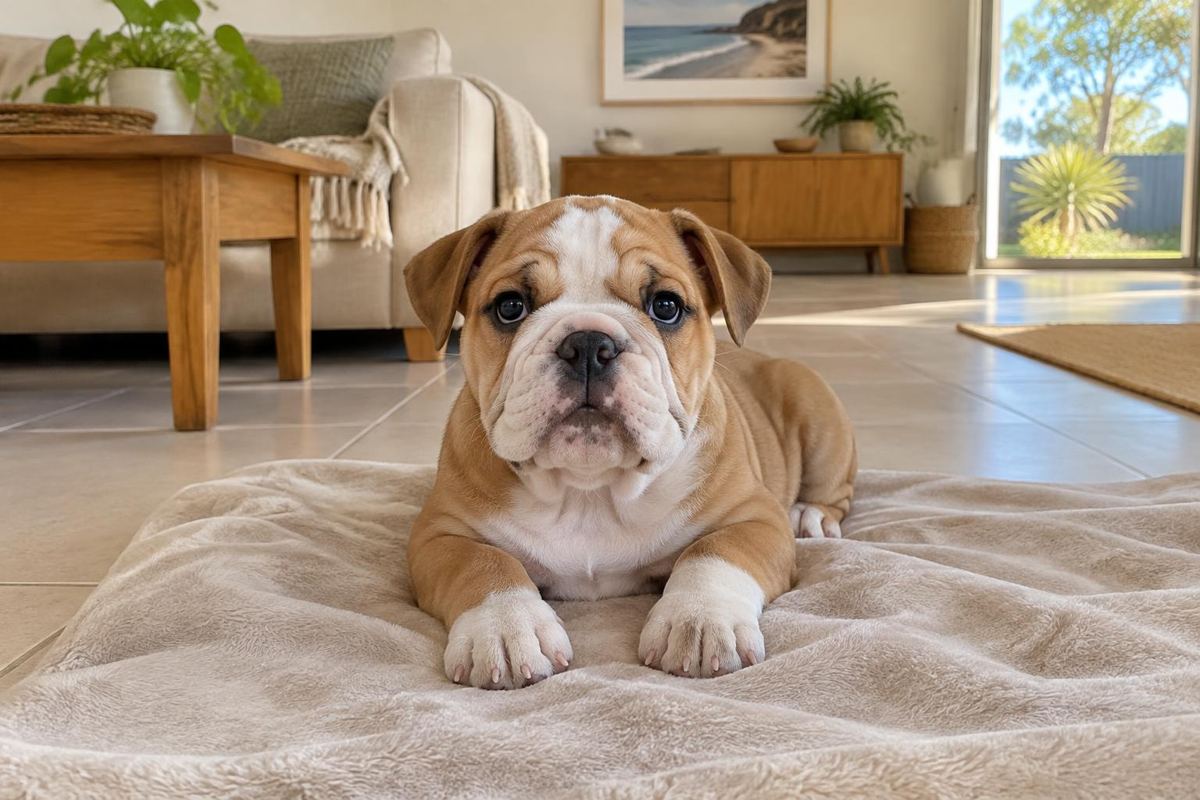
At about 8 weeks, your bulldog puppy has just left their mum and littermates. In the first few days, owners usually describe something like this:
- They cry, whine or howl in the crate or pen at night, especially the first two or three nights.
- They wake you every couple of hours, and there are wees on the floor during the day.
- They nip hands, feet and trouser legs, then suddenly get the zoomies.
- They chew everything in reach: cords, shoes, skirting boards, your fingers.
- They crash and sleep for long stretches, then wake up full of energy.
- They seem unsure of new sounds, people and rooms.
Most of this is normal puppy behaviour. It eases with routine, sleep and patience.
Why it happens
They've just lost everything familiar
Your puppy has gone from a warm pile of littermates to a quiet room on their own. RSPCA Queensland says to expect crying, especially in the first few nights, as the puppy misses its litter and familiar surroundings. A toy or blanket that smells of mum or the litter, and a sleeping spot near you, both help.
Small bladders, no control yet
Young puppies can't hold on through the night. RSPCA Queensland says to expect a young puppy up to 12 weeks of age to need the toilet every two hours. The RSPCA Knowledgebase adds that young puppies can't fully control their urination yet, so early accidents may be unavoidable. Puppies usually need to go after eating, playing or sleeping.
Puppies need far more sleep than you'd think
Dogs Trust says puppies need roughly 18 to 20 hours of sleep a day, and that an overtired puppy often looks like one with too much energy, with zoomies and more biting. A puppy that's been passed around all afternoon is often the one that won't settle at night.
Mouthing and chewing are how puppies explore
The RSPCA Knowledgebase calls chewing a normal dog behaviour and says dogs should be given chances to chew. Puppies explore with their mouths, and teething usually starts at around 12 weeks, when the adult teeth come through. Dogs Trust notes that mouthing and play-biting are normal puppy behaviours most pups grow out of, often triggered by play and over-excitement.
This is the socialisation window
The RSPCA Knowledgebase describes 3 to 14 weeks as the critical socialisation period, when puppies need a wide range of positive experiences with sights, sounds, smells, people and animals. Your first weeks at home sit right in that window, so gentle, positive introductions matter now.
Flat-faced puppies need extra watching
Flat-faced breeds can have breathing problems. The Royal Veterinary College says noisy breathing at rest or during light exercise in flat-faced dogs is never normal, and that exercising in warm weather is the most common cause of heatstroke in dogs. VCA Hospitals notes that flat-faced dogs may snore heavily or gasp in their sleep, and that this is worth raising with your vet.
When to talk to your vet
Warning signs in a new puppy
- Noisy, raspy or laboured breathing while resting or after light play
- Gasping or struggling to breathe while asleep
- Panting that doesn't settle with rest, or seeming distressed in warm weather
- Tiredness or flatness that is out of character
- Not eating, or a sudden change in drinking
- Vomiting or diarrhoea that keeps happening
- Wobbliness or trouble staying steady
- Sudden changes in behaviour, such as hiding away or new aggression, or mouthing that suddenly gets worse
If you see any of these, call your vet.
For vaccinations, worming, parasite control, microchipping and desexing, follow your vet's plan. Book your puppy in for a check-up soon after they come home and ask your vet when it's safe to go out and meet other dogs.
The tools that help
Routine matters more than anything you can buy. A safe sleeping spot near you, frequent toilet trips, plenty of naps and calm handling do most of the work. What toys and chews add is something appropriate to put in that busy little mouth, and a way to play with you that isn't your hands. Here's what we use with our own dogs.
All our puppy picks are on the new puppy problem page. Choose toys sized for a puppy, supervise play, and put toys away or swap them out once they're damaged.

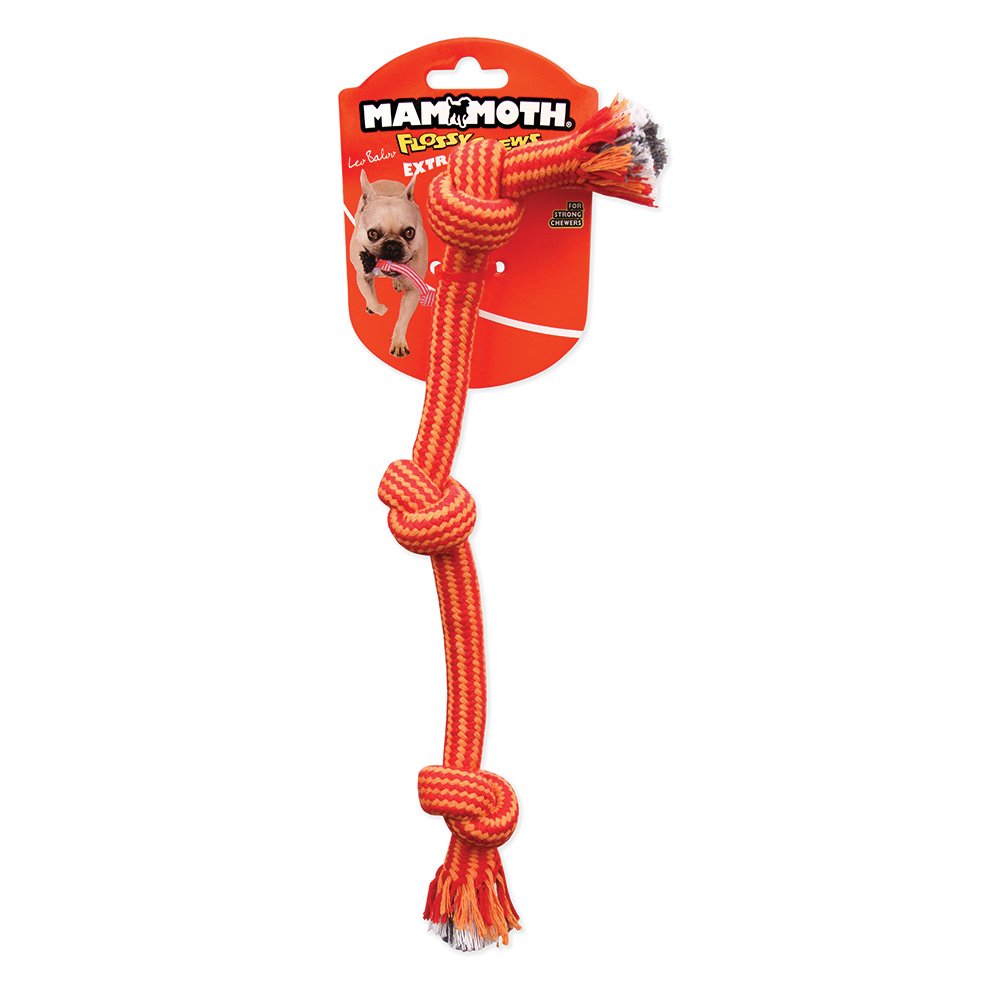
The Flossy Chews Rope Tug Toy Small ($27.95) is a small three-knot rope. When your puppy starts nipping during play, Dogs Trust suggests offering a toy before the mouthing starts. The rope gives your puppy something to grab instead of your sleeve, and keeps your hands out of the game. Keep tug games short and gentle at this age.
The Chuckit! Small Dog Tennis Ball 2pk ($23.95) has two 5 cm balls, made for dogs who can't carry a full-size ball. Use them for supervised rolling games, and move to a bigger ball once one fits wholly in your puppy's mouth. Roll them a short way across the floor for a puppy to follow. Two in the pack means one can be out while the other is put away, which helps with rotating toys.
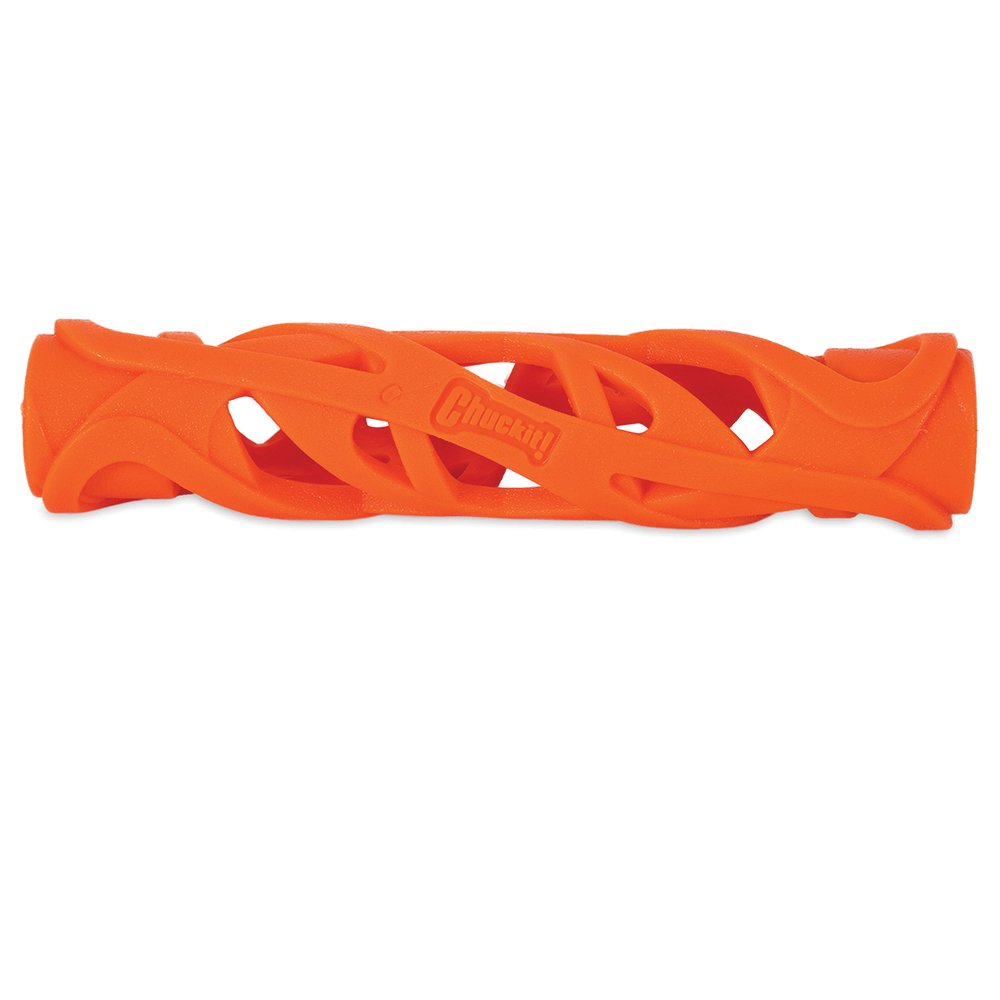
Chuckit! Lightweight Fetch Stick Small
The Chuckit! Lightweight Fetch Stick Dog Toy Small ($34.95) is stick-shaped and light, so a short-muzzled puppy can pick it up and bring it back easily. It's a good first fetch toy, and it gives a stick-chewing puppy their own stick.
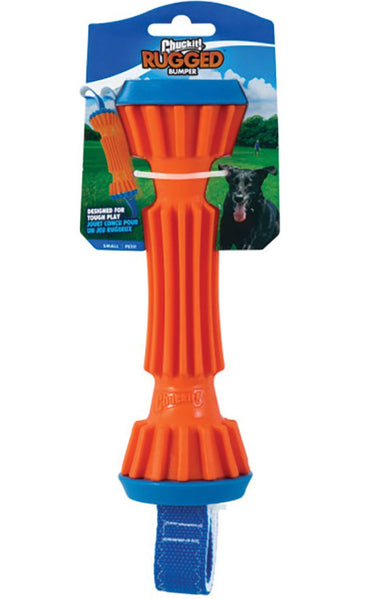
The Chuckit! Durable Rubber Fetch Rugged Bumper Small ($37.95) is a bumper, a different shape from a round ball for a puppy to chase and carry. It suits a puppy who's ready for slightly longer games in the backyard, on cool parts of the day.
If your puppy is struggling at bedtime, our won't settle page has soft toys for the bed. Once they're older and chewing everything, see Bored and chewing things.
Step by step: the first week
- Before pick-up day. Set up a small sleeping area in or near your bedroom: a crate or pen with soft bedding, a water bowl that won't tip, and a toilet area. Put away cords, shoes and anything chewable. Ask the breeder or carer for a blanket or toy that smells of mum and the litter.
- Day 1, arriving home. Take your puppy straight to their toilet spot and reward them when they go. Then let them explore one or two rooms quietly. Keep visitors to a minimum, and let them nap whenever they want.
- Night 1. Feed the last main meal at least two hours before bed, play gently, then take them to the toilet as late as you can. Settle them in the crate near you with the familiar-smelling blanket and a safe chew. Set alarms to take them out during the night, roughly every two hours, before they wake and cry.
- When they cry. Expect it. Avoid going straight to them, cuddling them or bringing them into your bed every time they cry, as this can teach them that crying gets attention. Wait for a moment of quiet, then take them out to the toilet calmly and put them back.
- Days 2 to 3, build the routine. Toilet first thing in the morning, after every nap, after every meal and after play. Watch for sniffing and circling, and take them out straight away. Reward within a second or two of them finishing. Clean accidents with a non-ammonia cleaner and say nothing.
- Days 3 to 5, nap on purpose. Put your puppy in their crate or pen for regular naps through the day, with a chew or food-filled toy. An overtired puppy bites more, so if the zoomies and nipping ramp up, it's usually nap time.
- Days 4 to 7, handle the nipping. When teeth land on skin, stop moving and go still. If it continues, turn away briefly. Offer the rope or a ball before play gets wild, and praise them when they grab the toy instead. Make sure everyone in the house does the same thing.
- All week, start socialising gently. Introduce new sounds, surfaces, people and handling (paws, ears, a brush) in short, happy sessions at home. Short car rides and visits to a trusted friend's place are good options. Ask your vet when your puppy can safely meet other dogs and go to puppy school.
- End of week 1, check in. See your vet as planned. Mention any snoring, noisy breathing or tiredness you've noticed. Once nights are steadier, slowly stretch the gap between toilet trips as your puppy manages it.
- Weeks 2 to 4, make it harder. Move from rolling a ball to short fetch games, teach sit and come with treats, and rotate three or four toys so they stay interesting. Keep play short and stop well before your puppy is puffing, especially on warm days.
Free plan
Free: First-week puppy checklist. Printable, one page.
FAQ
Should I let my bulldog puppy cry it out in the crate?
Some crying in the first few nights is expected. Avoid rewarding it with cuddles or your bed, but do take them out for the toilet regularly. Waiting for a quiet moment before you go to them works better than ignoring them entirely.
Where should my puppy sleep the first night?
Indoors, in a small, safe area such as a crate or pen in or near your bedroom. RSPCA Queensland says this keeps them close to you and helps with toilet training.
How often does an 8-week-old puppy need to wee at night?
Expect around every two hours for a puppy under 12 weeks. Take them out as late as possible before bed and set alarms through the night.
How do I get my puppy to poo before bed?
Feed the last main meal at least two hours before bedtime, then have a short play and go to the toilet spot. Puppies often need to go after eating and after play.
Is it normal for my puppy to bite so much?
Yes. Mouthing and play-biting are normal and most puppies grow out of them. Redirect to a toy, go still when teeth touch skin, and make sure your puppy is getting enough sleep. If biting suddenly increases, see your vet.
How much should my puppy be sleeping?
A lot. Dogs Trust says roughly 18 to 20 hours a day. Plan regular naps rather than waiting for them to drop.
Is it normal for my bulldog puppy to snore?
Mention it to your vet. Noisy breathing at rest in flat-faced dogs is never normal, according to the Royal Veterinary College, and heavy snoring or gasping in sleep is worth getting checked.
Related guides
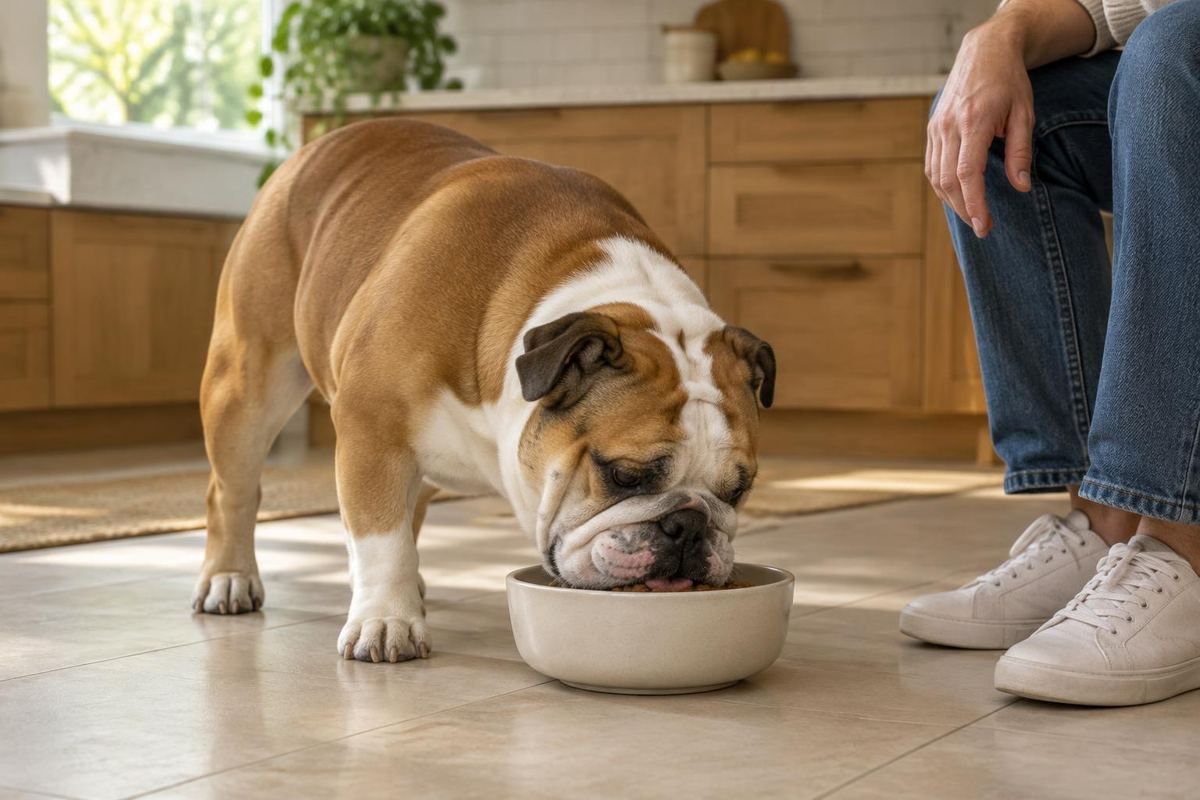
New puppy
Bulldog puppy checklist: feeding, toys and car travel
A practical bulldog puppy checklist: choose accessible feeding products, car harnesses sized by chest, comfort items and supervised enrichment for flat-faced dogs.
Read the guide →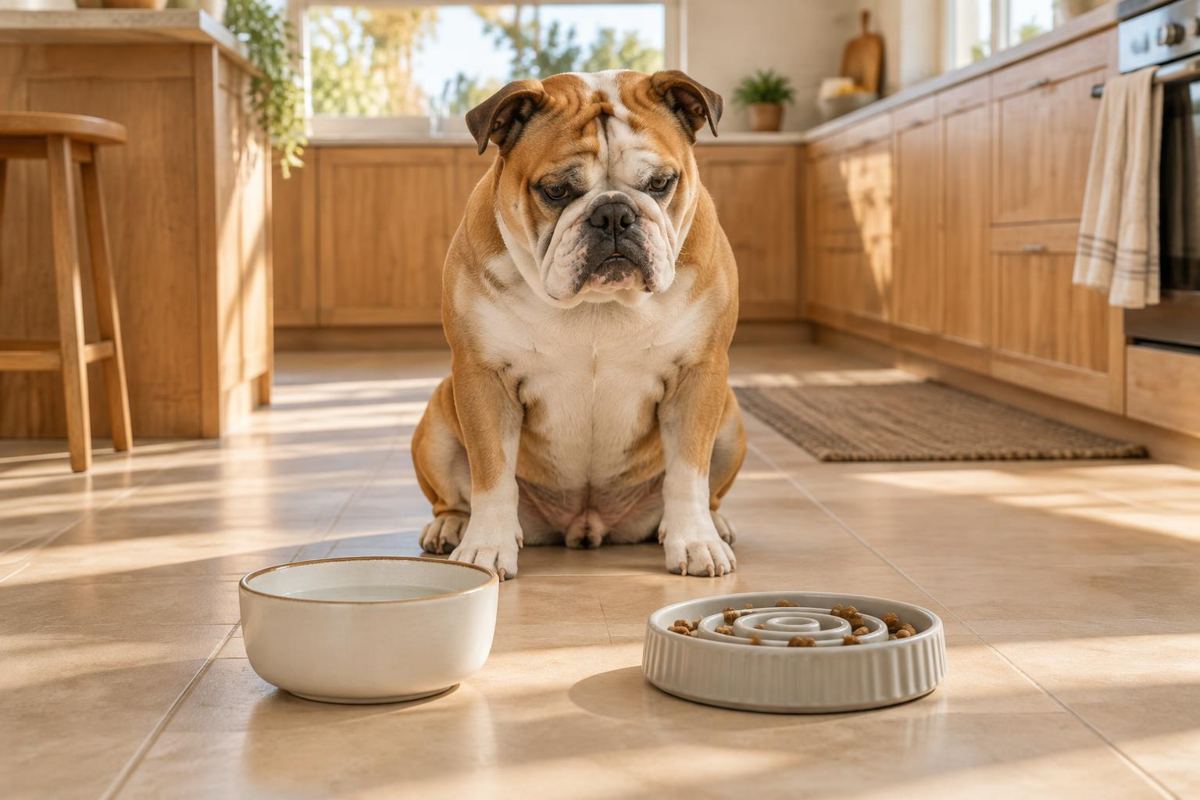
Eats too fast
How to Choose a Slow Feeder for Bulldogs, Frenchies & Pugs
Choose a slow feeder by accessible food channels, actual dimensions and your dog’s muzzle. Compare real bowls and supervise the first meals.
Read the guide →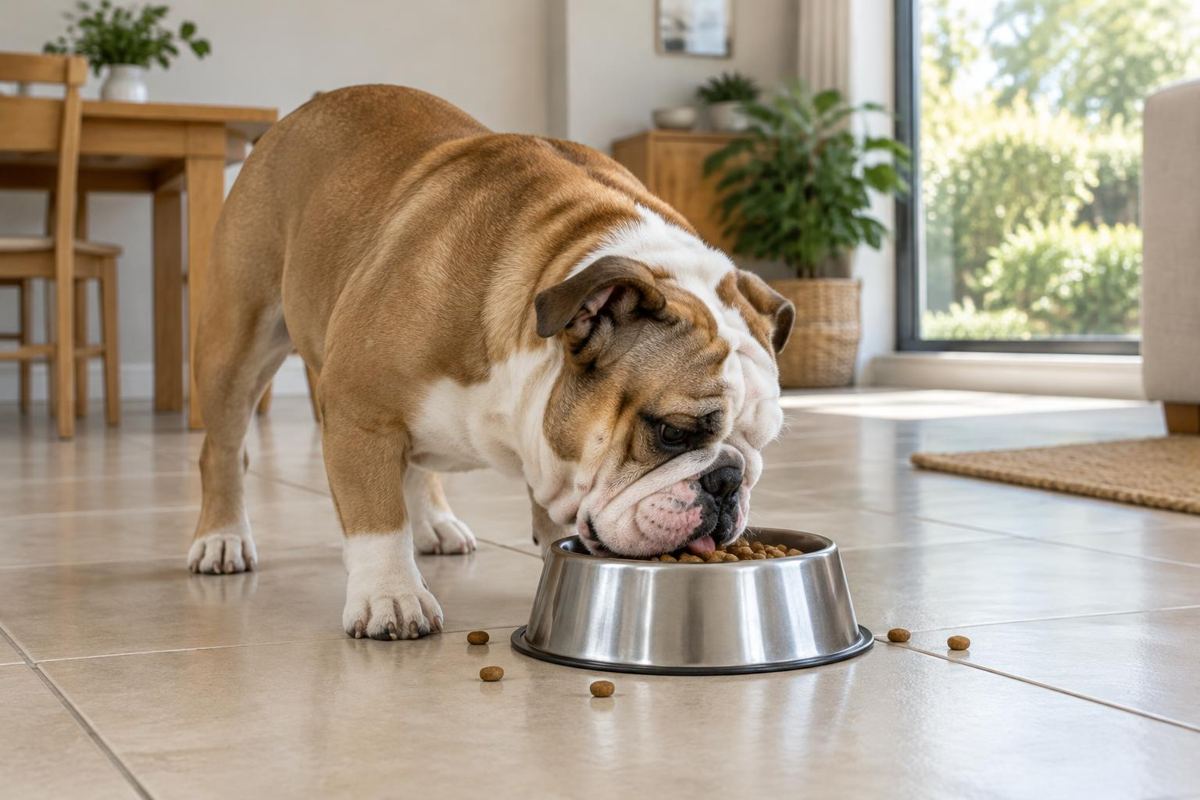
Eats too fast
Why does my bulldog eat so fast? (And what actually helps)
Most bulldogs eat fast out of habit or competition: they learned as puppies to beat their littermates to the food, or they're racing another pet in the house.
Read the guide →Sources (9)
- RSPCA Australia Knowledgebase, What should I do when I bring home a new puppy?
- RSPCA Australia Knowledgebase, How can I toilet train my puppy or adult dog?
- RSPCA Australia Knowledgebase, My puppy is chewing everything, what should I do?
- Dogs Trust, Mouthing, nipping and puppy biting
- VCA Animal Hospitals, Struggling with potty training
- VCA Animal Hospitals, How much sleep do puppies need?
- Texas A&M College of Veterinary Medicine, The puppy timeline: a socialization guide
- Royal Veterinary College, Noisy breathing in flat-faced dogs (infographic)
- Moorabbin Vet, 6 signs your pet needs to see a vet sooner rather than later