Is it too hot to walk my bulldog? (And how to keep them busy indoors)
Hot day, bulldog bouncing off the walls? When it's too hot to walk, the warning signs of heatstroke, and indoor games that help.
By the Bulldoggy Co team · Updated 10 Oct 2026
Quick answer
If it's hot or humid, or the footpath is too hot for the back of your hand for five seconds, it's too hot to walk a bulldog. Keep them inside where it's cool and swap the walk for short indoor games and food puzzles. The RSPCA advises walking only early in the morning or late in the evening, avoiding hot surfaces, and keeping flat-faced breeds indoors with air conditioning or a fan on hot days. Heatstroke is an emergency: if you see the warning signs, go to the vet straight away.
What it looks like
It's 7 am and the thermometer already says 29. The footpath is warm under your hand. Your bulldog is standing at the door with the lead in their mouth, and you know that by the time you reach the corner they'll be puffing.
So you stay home. By mid-afternoon they're following you from room to room, sighing, chewing the edge of the rug, or pushing a toy into your leg. Owners ask the same things every summer: How hot is too hot? Is it bad to skip walks for a few days? What can I actually do with them inside?
Why it happens
Flat-faced dogs can't cool down as well
Dogs cool themselves mainly by panting. Researchers at the Royal Veterinary College and Nottingham Trent University explain that panting simply works less well in short-nosed dogs, and the hard work of breathing can add heat rather than remove it. That's why RSPCA Australia says heat stress and heatstroke are particularly common in flat-faced breeds, whose breathing difficulties get worse as temperatures rise.
Bulldogs are at much higher risk
A large UK study of dogs under vet care found English bulldogs were 14 times more likely to have heatstroke than Labradors, French bulldogs 6 times and pugs 3 times. About one in seven dogs with heatstroke in that study died.
Exercise is the most common trigger
Hot cars get the headlines, but a follow-up study found exercise was the trigger in about 74% of heatstroke cases where the cause was known. Hot cars accounted for around 5%. In other words, a walk or a game on a warm day is the bigger everyday risk.
Hot ground and humid air
Dogs can burn their paws on hot pavements, according to RSPCA NSW. RSPCA Australia suggests putting the back of your hand on the surface for five seconds: if it's too hot for you, it's too hot for your dog. It also advises not to exercise pets in hot, humid conditions, which matters in places like Queensland where the mornings can be sticky as well as warm.
Extra weight, thick coats and age
RSPCA Australia lists obesity, a thick or long coat and dehydration as added heatstroke risks. Lort Smith Animal Hospital adds that very young dogs, older dogs and dogs with existing health conditions are most at risk.
A bored dog still needs something to do
Skipping the walk takes away exercise and the chance to sniff and explore. A University of Arizona vet suggests replacing it with indoor puzzle toys, hide-and-seek with toys or treats, and things to chew. Those give your dog a job without the heat load of a walk.
When to talk to your vet
Heatstroke is an emergency. Do not wait to see if it passes.
Heavy or relentless panting that doesn't settle once they're cool and resting
Obvious difficulty breathing
Very red, dark or pale gums, or a bright red tongue
Heavy drooling, or sticky or dry gums
Staggering, weakness or unusual tiredness
Vomiting or diarrhoea, possibly with blood
Seizures or collapse
Move your dog somewhere cooler and go straight in. Lort Smith advises having them checked even if they seem to recover, as internal organs can be affected.
If you see any of these, call your vet.
The tools that help
The biggest fix isn't a product. It's timing and environment: walk only in the coolest part of the day, or not at all on the worst days, and keep your dog inside somewhere cool with fresh water and a fan or air conditioning. Indoor games should be short and gentle. Watch your dog the whole time and stop if they start panting hard.
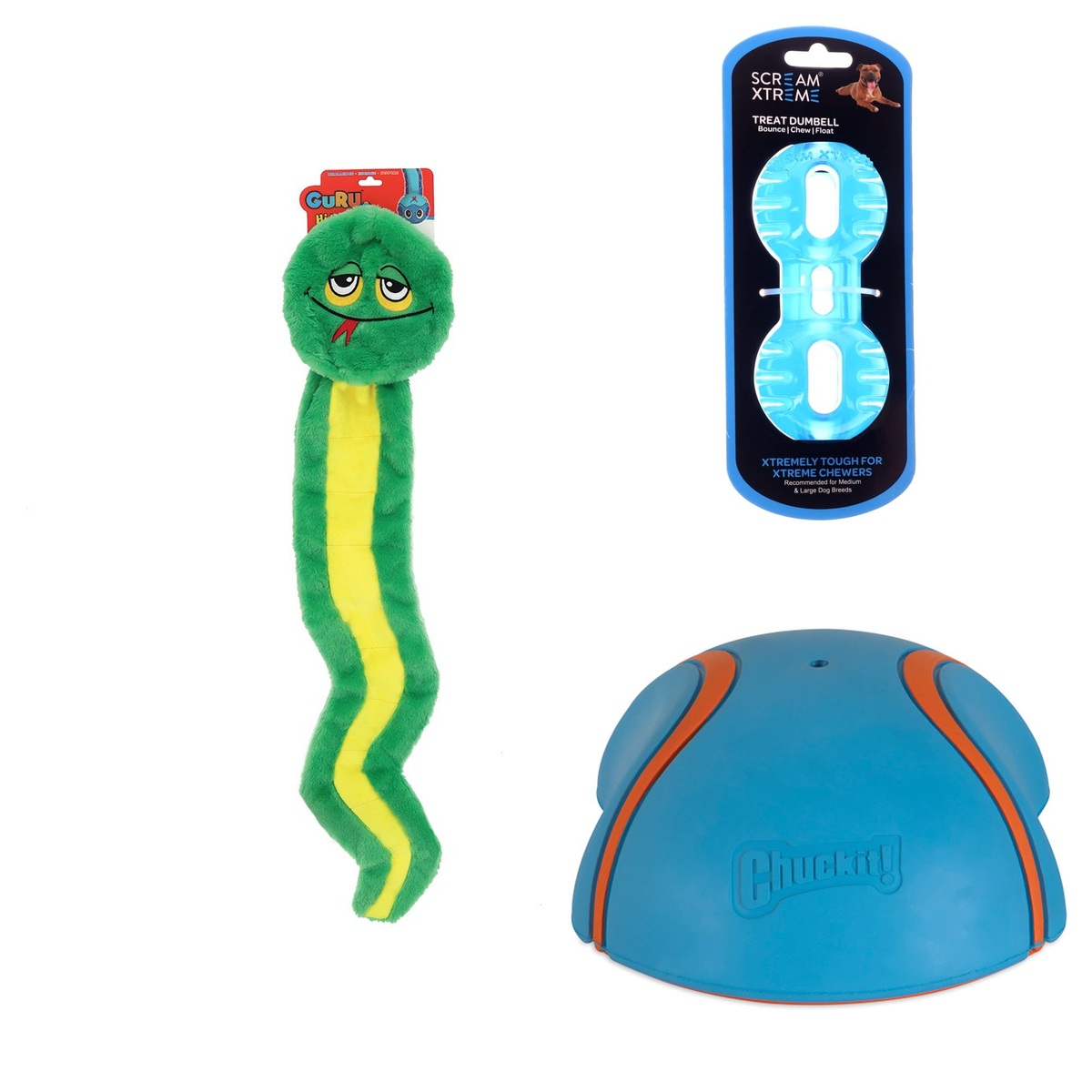
Once that's in place, here's what we use with our own dogs to fill the hours. You'll find the full range on our Too hot to walk page.
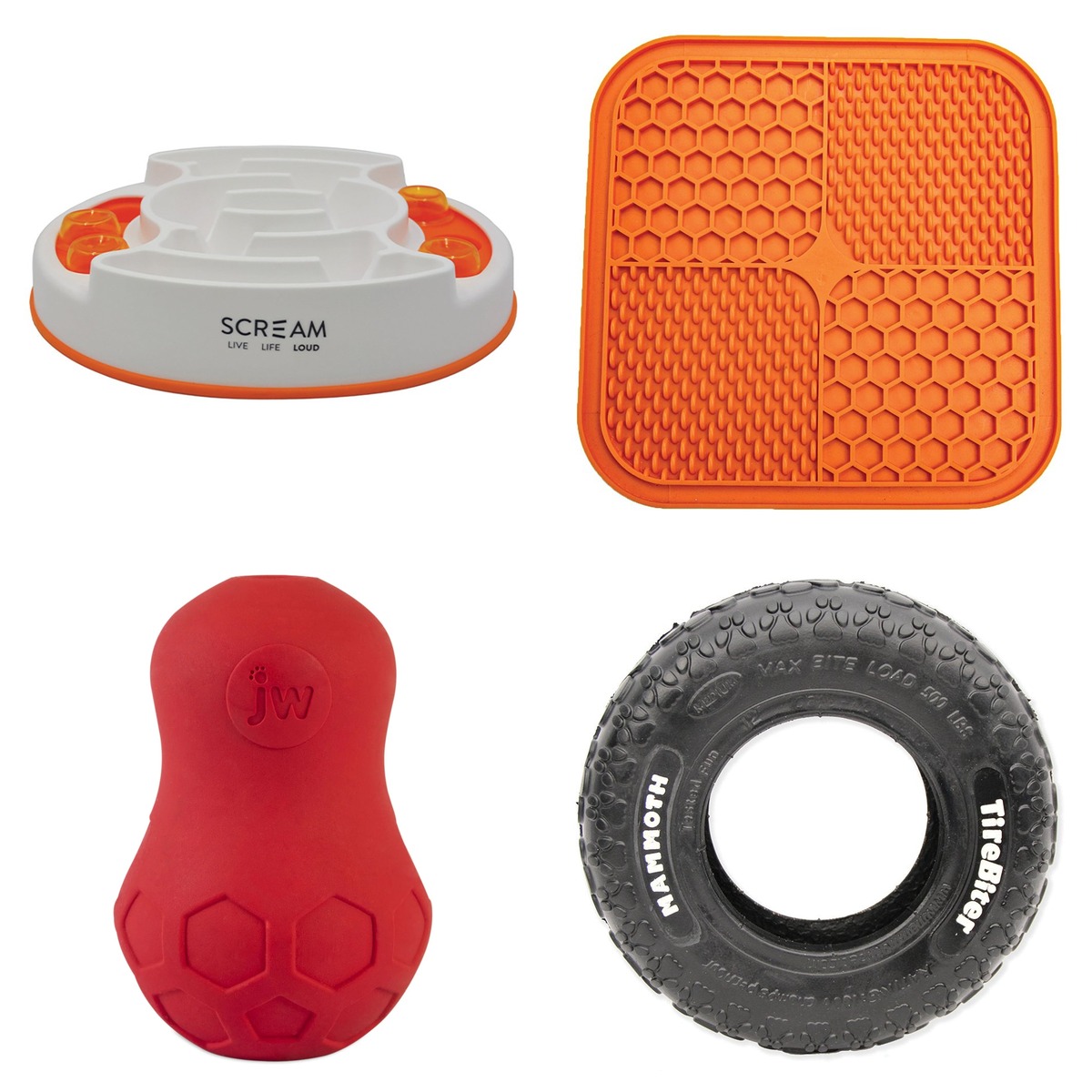
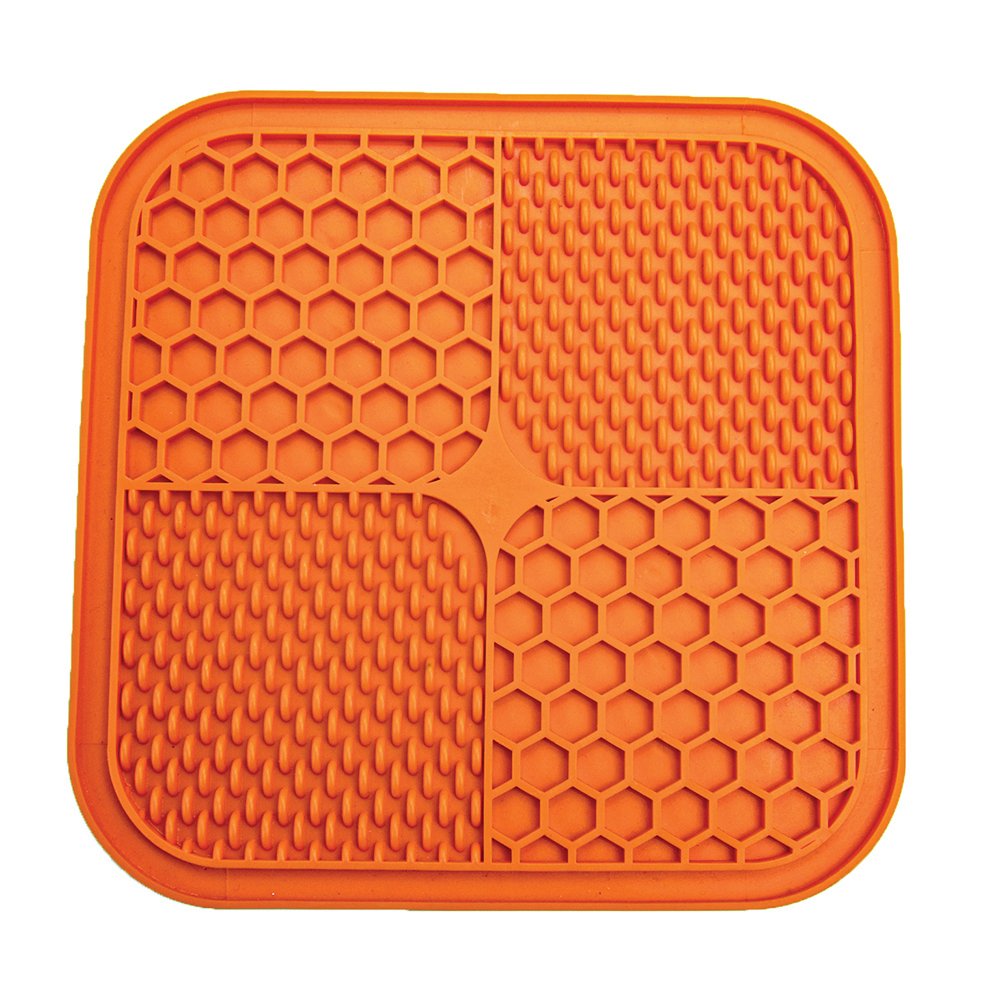
The Scream Lick Enrichment Mat ($28.95) is a mat you spread with a little dog-safe wet food or yoghurt. Freeze it and it lasts longer, so your dog spends a good stretch licking quietly in one spot instead of pacing. RSPCA NSW and RSPCA Queensland both suggest frozen food treats on hot days. Count what goes on the mat as part of the day's food.
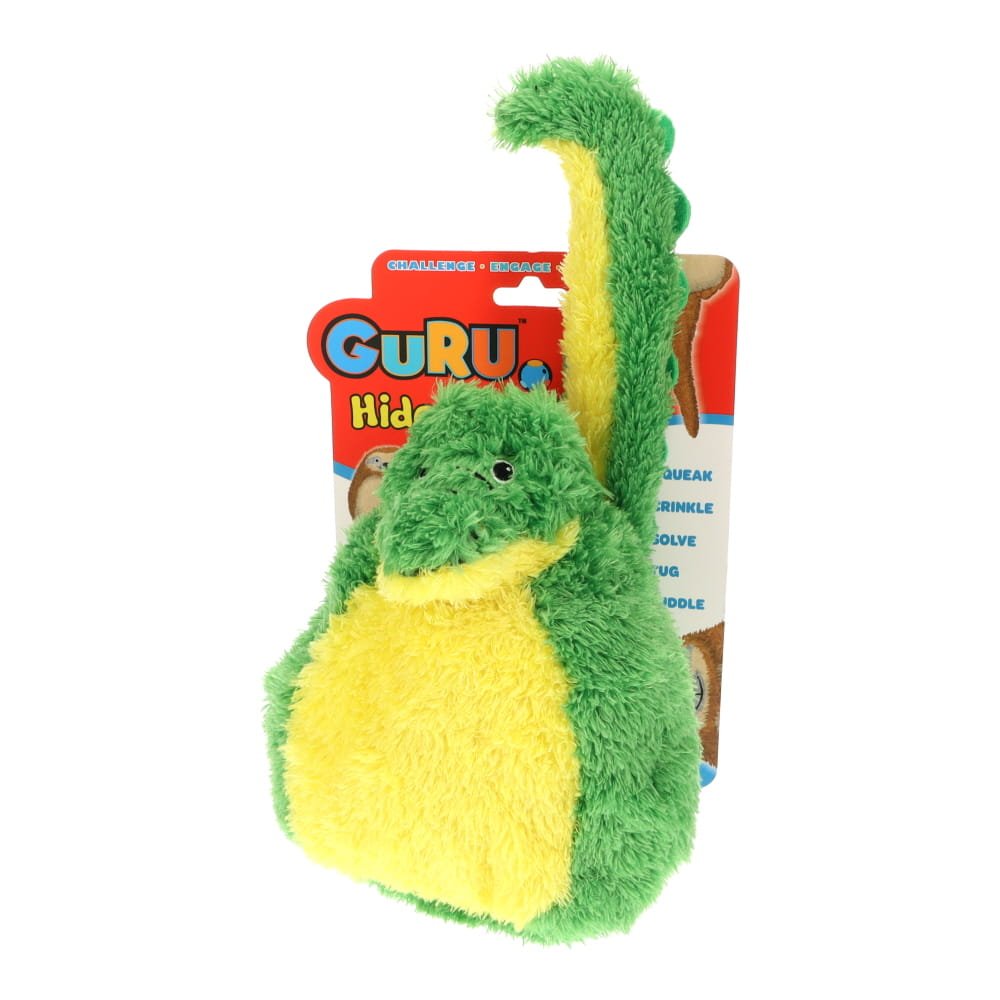
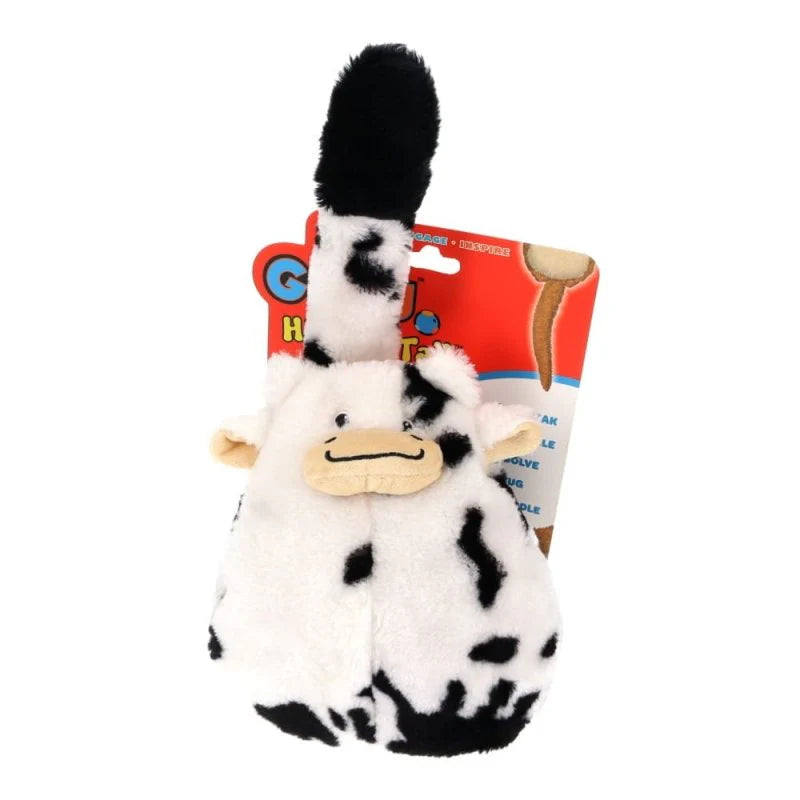
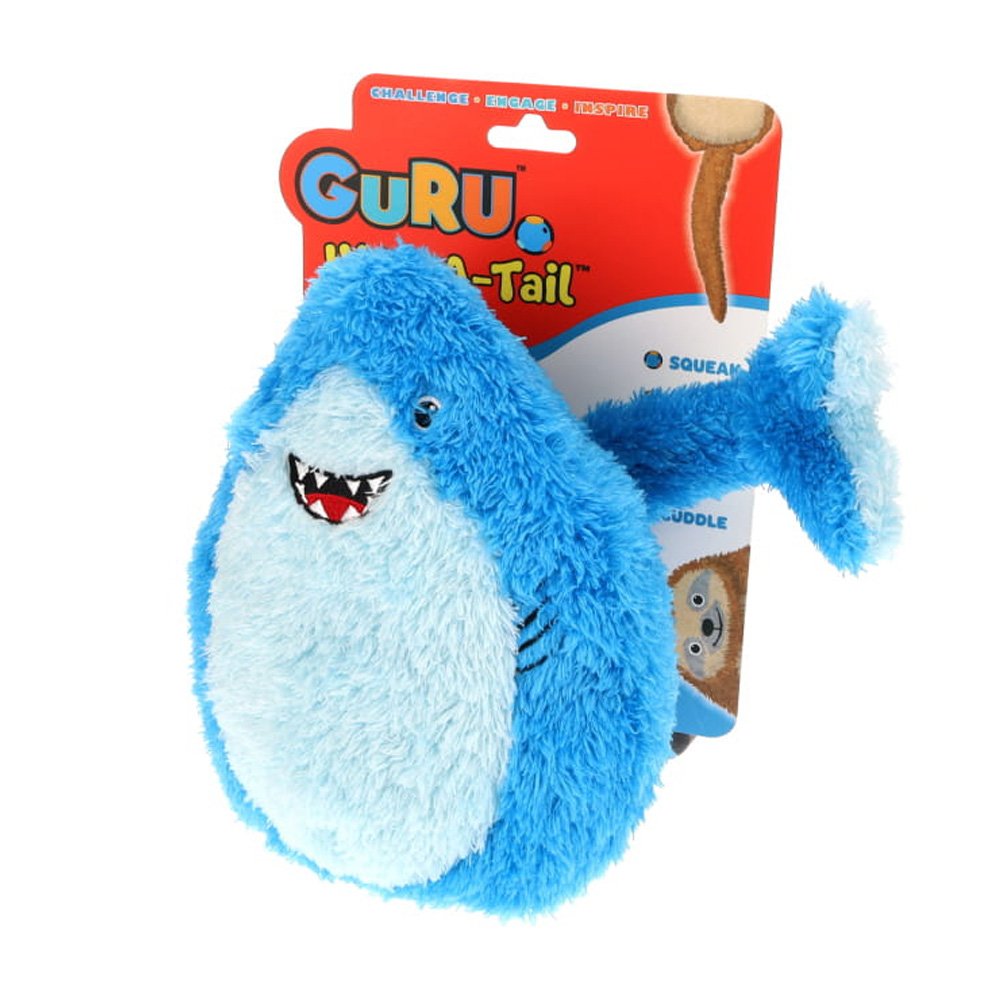
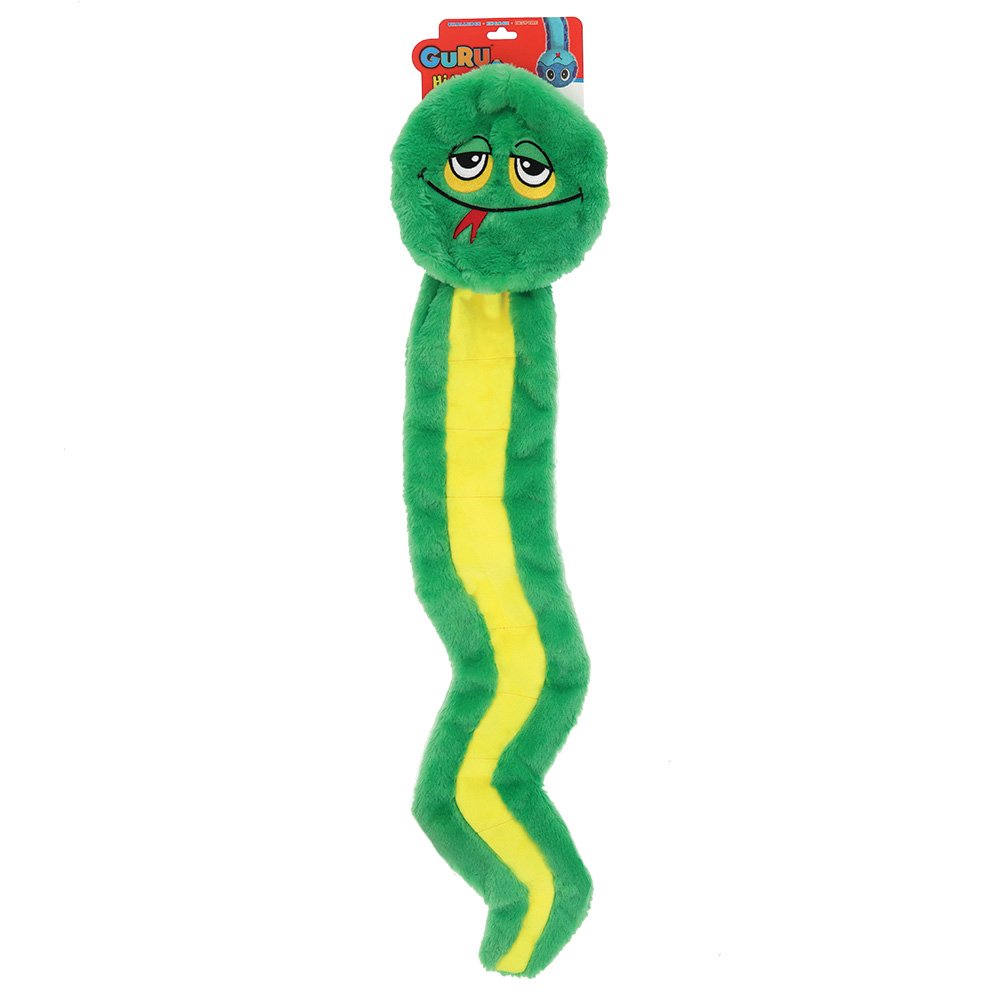
You tuck the tail into a hidden pocket and your dog works it back out with their nose and mouth. It turns the sniffing they miss on walks into a game on the lounge room floor, with no running. It comes in four versions:
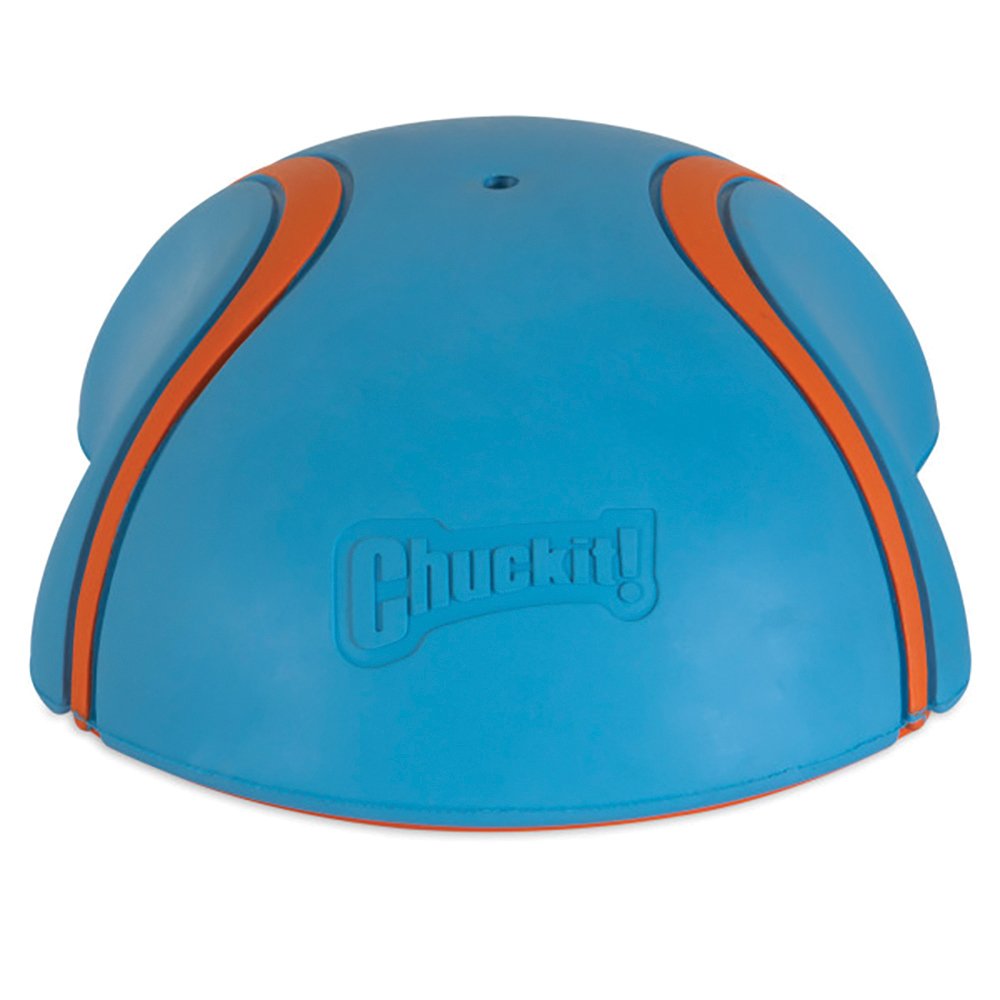
The Chuckit! Indoor Fetch Slider Dog Toy ($42.95) slides along a clear indoor floor, so you can play fetch without throwing anything at the TV. Keep it to a few short throws in a cool room, and stop as soon as breathing gets heavy. For flat-faced dogs, gentle beats long.
Check before you go. Look at the forecast the night before. If it's hot or humid early, plan an indoor day. On milder days, walk at sunrise or late evening only.
Do the hand test. If you do go out, put the back of your hand on the footpath for five seconds. Too hot for you means too hot for paws. Keep to grass and shade and keep it short.
Set up a cool base. Shut blinds, run the air conditioner or a fan, and put out more than one bowl of fresh water. RSPCA Queensland suggests dampening their bed or mat.
Prepare the lick mat. Spread a thin layer of dog-safe wet food or yoghurt, freeze it, and bring it out in the hottest part of the day.
Day 1: one sniffing game. Show your dog the hide-and-seek toy with the tail half poking out. Let them pull it. Praise and repeat three or four times, then put it away.
Day 2 to 3: make it harder. Tuck the tail fully into the pocket, or hide the storybook pieces deeper. Hide a toy behind a cushion and let them find it.
Add short fetch. In the coolest room, give two or three slides of the indoor fetch toy, then a rest. Watch their breathing and stop early.
Week 1: build a routine. Aim for a few short sessions spread through the day: a sniffing game in the morning, the frozen lick mat at midday, gentle fetch once the house cools in the evening.
Week 2 onward: rotate. Swap toys every couple of days so they stay interesting. Mix in five minutes of basic training, such as sit, drop and find it, for extra brain work.
Watch every session. If your dog pants hard, drools heavily or seems wobbly, stop, move them somewhere cool and check the warning signs above.
Free plan
Free: Too-Hot-To-Walk Plan. Printable, one page.
FAQ
How hot is too hot to walk a bulldog?
There's no single safe number. The RSPCA advises not exercising dogs in the middle of the day or in hot, humid conditions, and keeping flat-faced breeds indoors with air conditioning or a fan on hot days. If the footpath fails the five-second hand test, it's too hot.
Is an early morning walk OK in summer?
Usually, yes. The RSPCA recommends walking early in the morning or late in the evening when it's cooler. Keep it short and slow, and turn back if your dog starts struggling to breathe.
Is it bad to skip walks for a few days?
Skipping walks on hot days is the safer choice for a flat-faced dog. Replace them with indoor sniffing games, food puzzles and short play so your dog still has something to do.
My bulldog pants a lot anyway. How do I know when it's heatstroke?
Watch for panting that doesn't settle with rest, very red or pale gums, staggering, vomiting or collapse. If you're unsure, call your vet. It's always better to check.
My dog overheated but seems fine now. Do they still need a vet?
Yes. Lort Smith Animal Hospital advises a vet check even if your pet seems to recover, because internal organs could be affected.
Can I give my bulldog frozen treats?
RSPCA NSW and RSPCA Queensland both suggest frozen food treats on hot days. Use dog-safe food and count it as part of their daily food.
Is indoor fetch safe for a flat-faced dog?
It can be, if it's short, gentle and in a cool room. Exercise is the most common heatstroke trigger, so stop at the first sign of heavy panting.
Give your bulldog several short play sessions a day instead of one long one, keep them to the cool parts of the day, and stop before your dog is puffing hard.
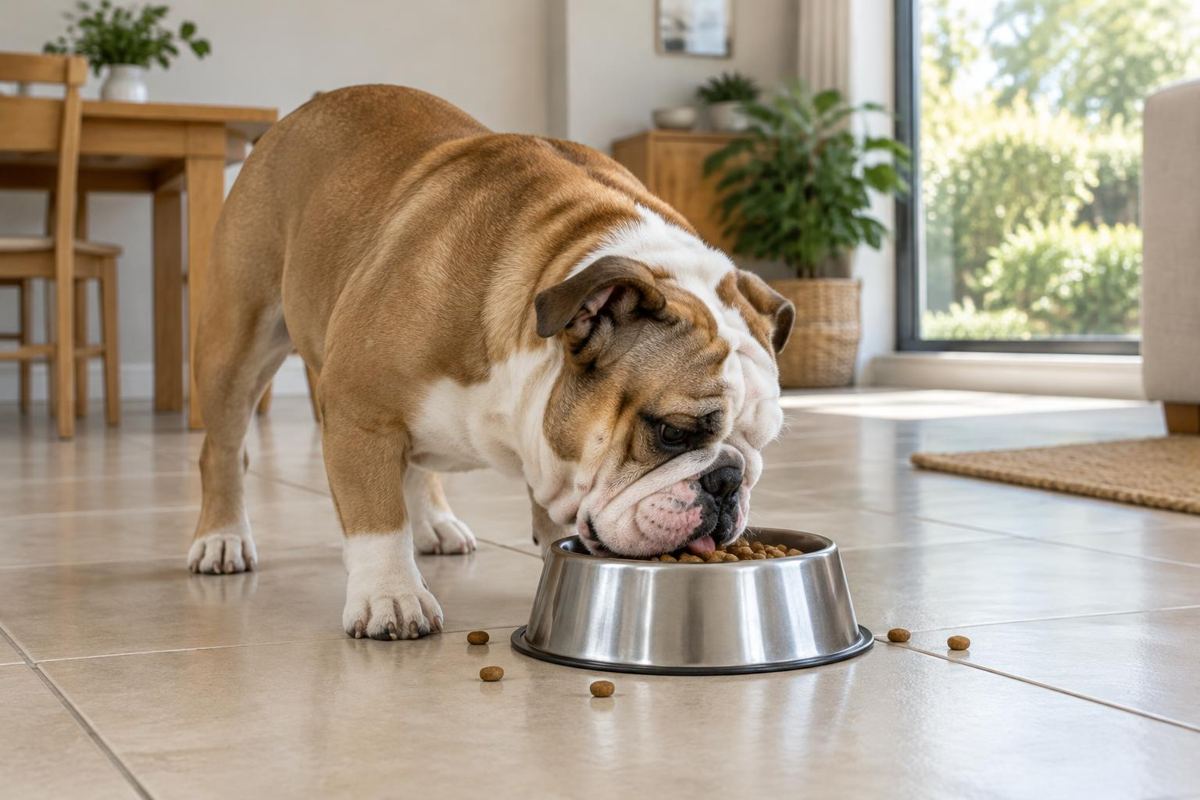
Most bulldogs eat fast out of habit or competition: they learned as puppies to beat their littermates to the food, or they're racing another pet in the house.