Why does my bulldog chew everything? (And what actually helps)
Shoes, cushions, skirting boards? Why bulldogs chew, when to see the vet, and how to give them something better to do.
By the Bulldoggy Co team · Updated 10 Oct 2026
Quick answer
Chewing is normal dog behaviour, and most bulldogs who wreck shoes and furniture are chewing because they are bored, under-stimulated, teething or stressed, not because they are naughty. The fix is to give them enough daily activity and their own things to chew, put tempting items out of reach while they learn, and reward them for choosing the right thing. If the chewing is sudden, constant, or your dog is swallowing what they chew, talk to your vet.
What it looks like
Sound familiar?
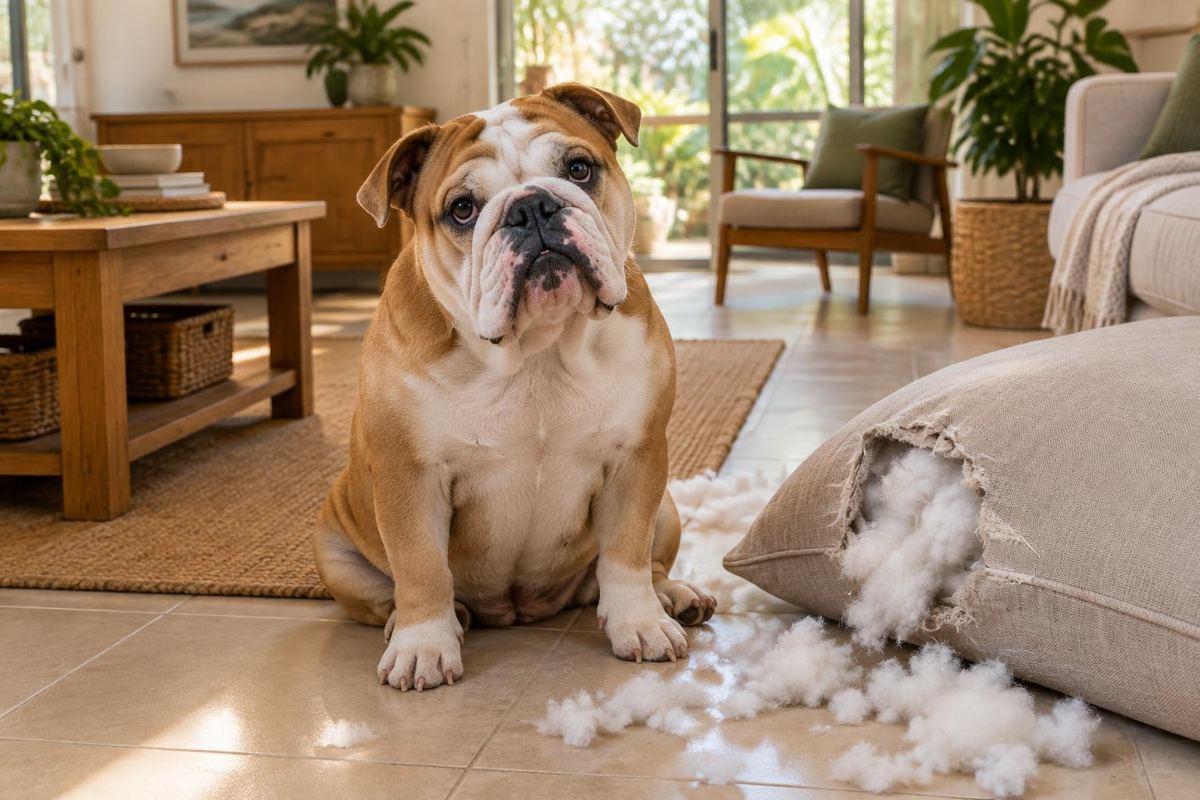
A couch cushion in pieces when you get home.
Shoes, socks and the TV remote targeted over everything else.
A dog of two or more still chewing skirting boards and table legs.
A full basket of toys that gets ignored.
Chewing that gets worse on rainy days, or when it's too hot to walk.
Sticks and bark from the yard chewed to splinters.
The pattern is usually the same. The chewing happens when the dog has nothing else to do, often when you are busy, out, or the day has been quiet.
Why it happens
Chewing is a normal need
RSPCA Australia says dogs need opportunities to chew, and it only becomes a problem when it is excessive, causes injury or damages property. Researchers at the University of Sydney's School of Veterinary Science describe gnawing as a common part of how dogs normally behave. Your bulldog is not going to stop wanting to chew, so the goal is to point that urge somewhere acceptable.
Boredom and not enough to do
The ASPCA lists boredom and a lack of physical and mental exercise as a main reason dogs chew household items. RSPCA Australia also notes that feeding a dog only from a bowl can leave the urge to chew and forage unmet. A bulldog who sleeps most of the day and then has a burst of energy will often spend it on whatever is nearby.
Flat-faced dogs can't always run it off
Many owners are told a tired dog is a good dog, but short-nosed breeds can't safely do long, hard exercise in warm weather. A UK veterinary consensus statement found English bulldogs had around 14 times the risk of heat-related illness compared with labradors, that exercise was the most common trigger, and that some flat-faced breeds overheat at temperatures as low as about 21°C. On hot Queensland days, a bulldog may get much less exercise than they need, so mental work matters more.
Teething puppies
Puppies explore with their mouths, and RSPCA Queensland notes puppies around three to six months often chew household items while their adult teeth come through. The ASPCA says this teething phase usually ends around six months. Chewing for fun can carry on well past that if the puppy never learned which things are theirs.
Stress, frustration or separation distress
RSPCA Queensland lists self-soothing and anxiety as reasons dogs chew, and RSPCA Australia lists destructiveness among the signs a dog may be distressed when left alone, alongside barking, pacing, toileting inside and trying to escape. If the chewing only happens when you're out, it may not be boredom at all. See our home alone guide and speak to your vet.
Hunger, attention and health
The ASPCA notes dogs on restricted diets may chew things that smell of food. RSPCA Queensland points out that even a telling-off can reward chewing if the dog is after attention. VCA Animal Hospitals lists several medical conditions that can cause a dog to eat non-food items, which is one reason a sudden change needs a vet check.
When to talk to your vet
Warning signs
Your dog is swallowing what they chew (fabric, plastic, sticks, stones), not just chewing it
Vomiting, a reduced appetite, or straining or struggling to pass a poo after chewing something
A sore or tender belly, or your dog being flat and lethargic
Chewing that starts suddenly in an adult dog who never used to do it
Chewing that only happens when they're left alone, along with barking, pacing, toileting inside or trying to escape
Chewing that is constant, hard to interrupt, or causing injury to their mouth
Broken teeth, bleeding gums or bad breath
Pale gums or weakness
If you see any of these, call your vet.
VCA Animal Hospitals describes a swallowed object blocking the gut as potentially life-threatening, so don't wait to see if it passes.
The tools that help
Before anything else: products won't fix a dog who is under-exercised or left alone too long. Start with a daily routine of short walks in the cool part of the day, a few minutes of training, and some of their daily food given through a puzzle instead of a bowl. Put shoes, socks, remotes and washing away. Then give them their own things to chew. Here's what we use with our own dogs, and you'll find the full range on our bored and chewing things page.
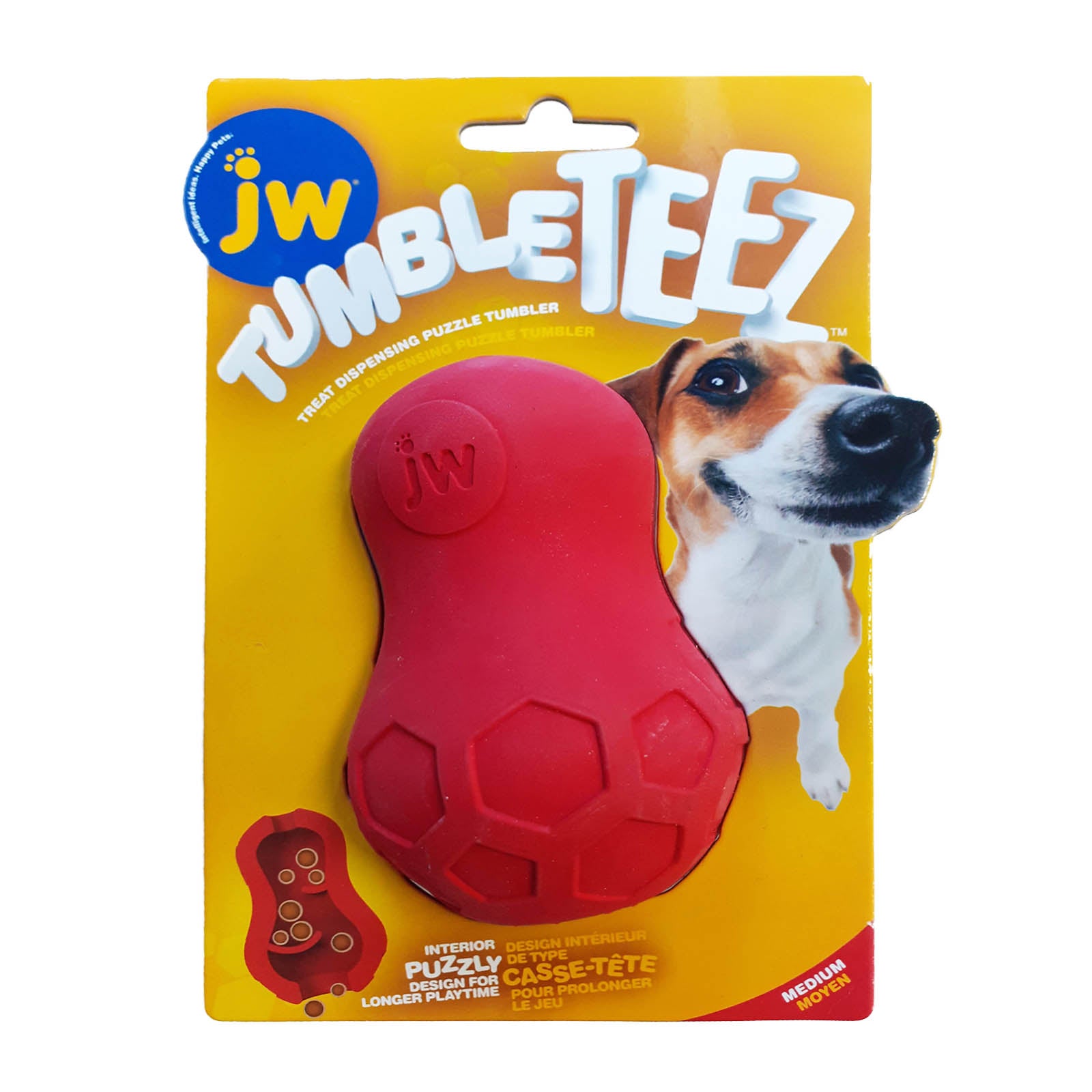
A treat toy they have to work at: JW Treat Puzzle Tumbler
Your dog nudges and rolls the JW Treat Puzzle Tumbler ($29.95) to work treats out through its internal maze. It turns a handful of food into a job, which is the kind of mental activity the RSPCA recommends for bored dogs. We put part of their dinner in it on days we can't walk far.
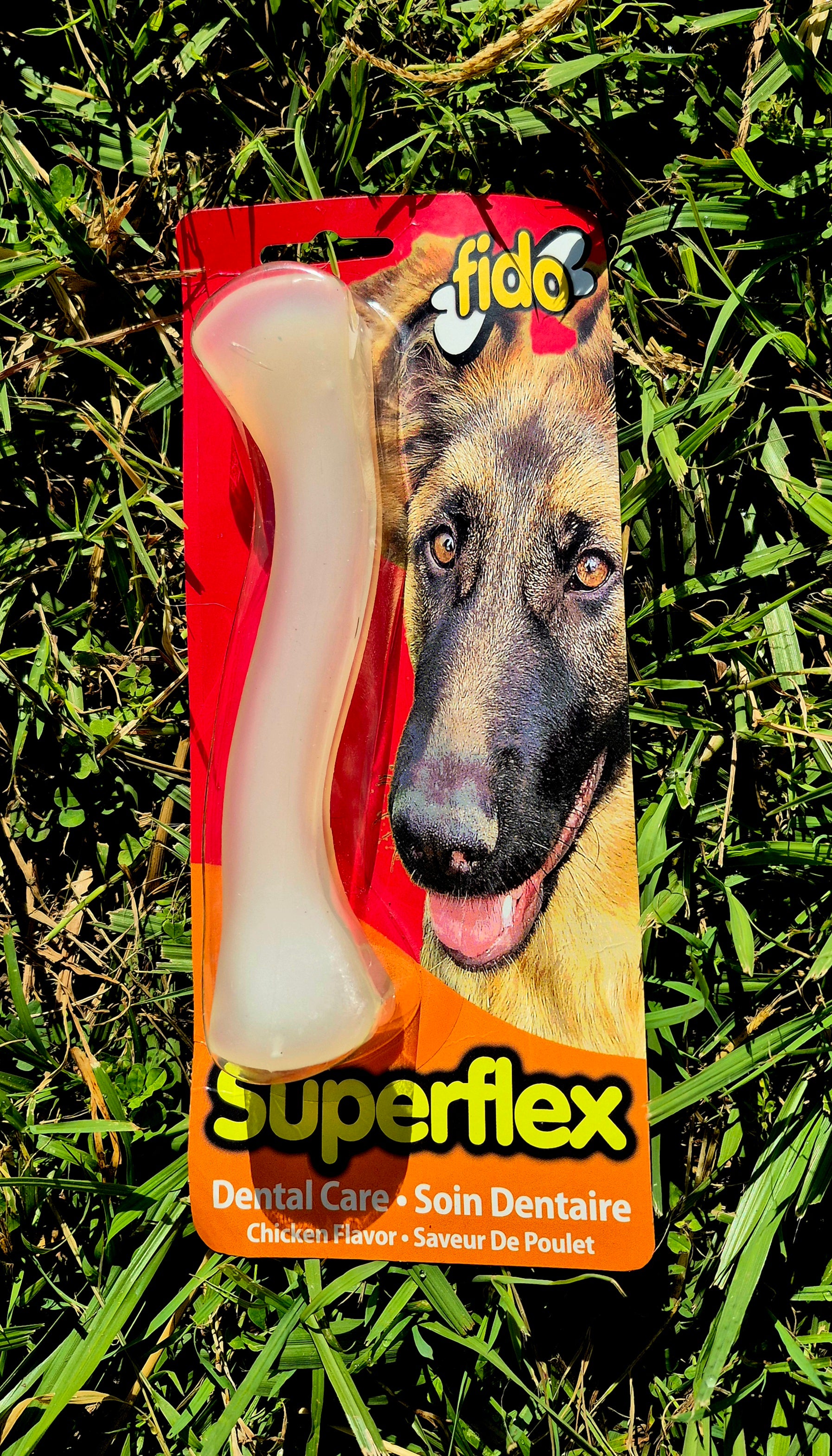
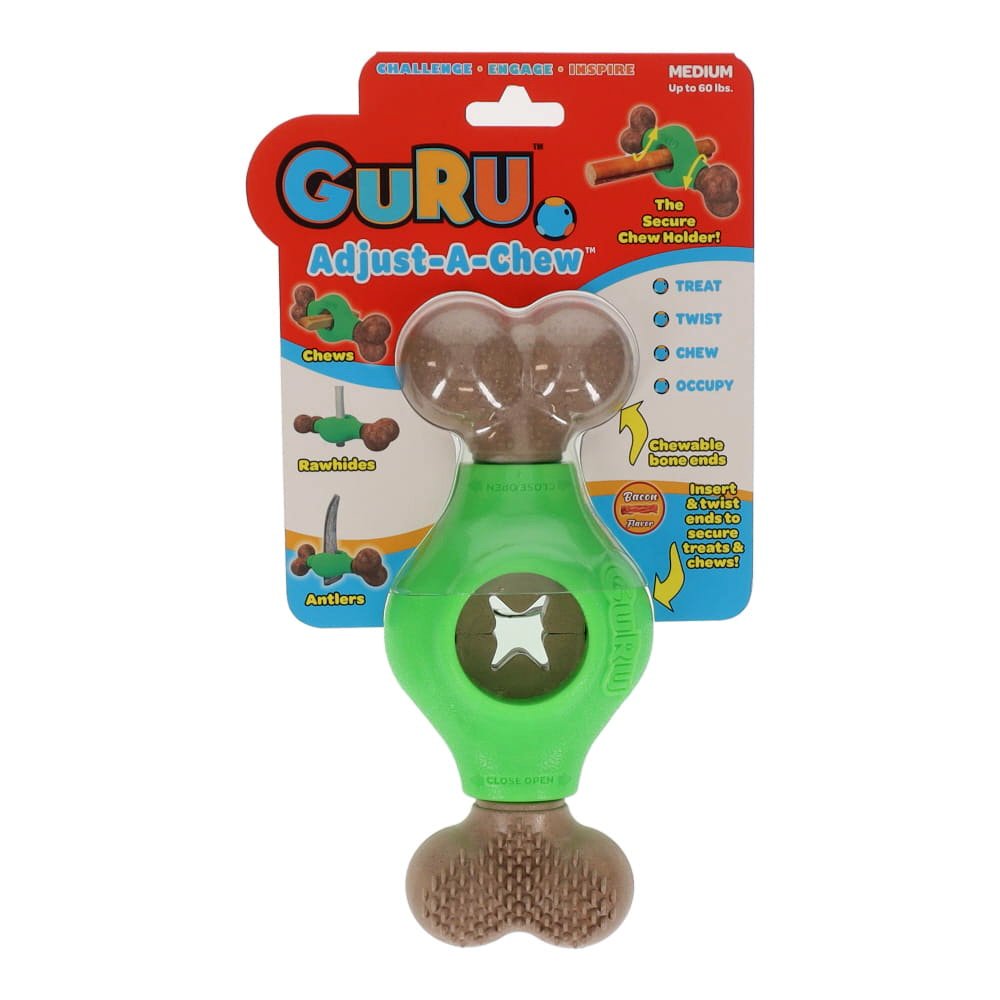
The Fido Superflex Bone, Chicken Flavour, Medium ($32.95) gives your dog a flavoured thing of their own to chew instead of the table leg. Pick a size your dog can't fit wholly in their mouth, supervise them, and replace it once the ends are worn down, as the ASPCA advises for any durable chew. For a different option, the GURU Adjust-A-Chew Chew Toy Medium ($42.95) can be set up to suit how they chew.
Something to fill them with: All Barks beef sticks
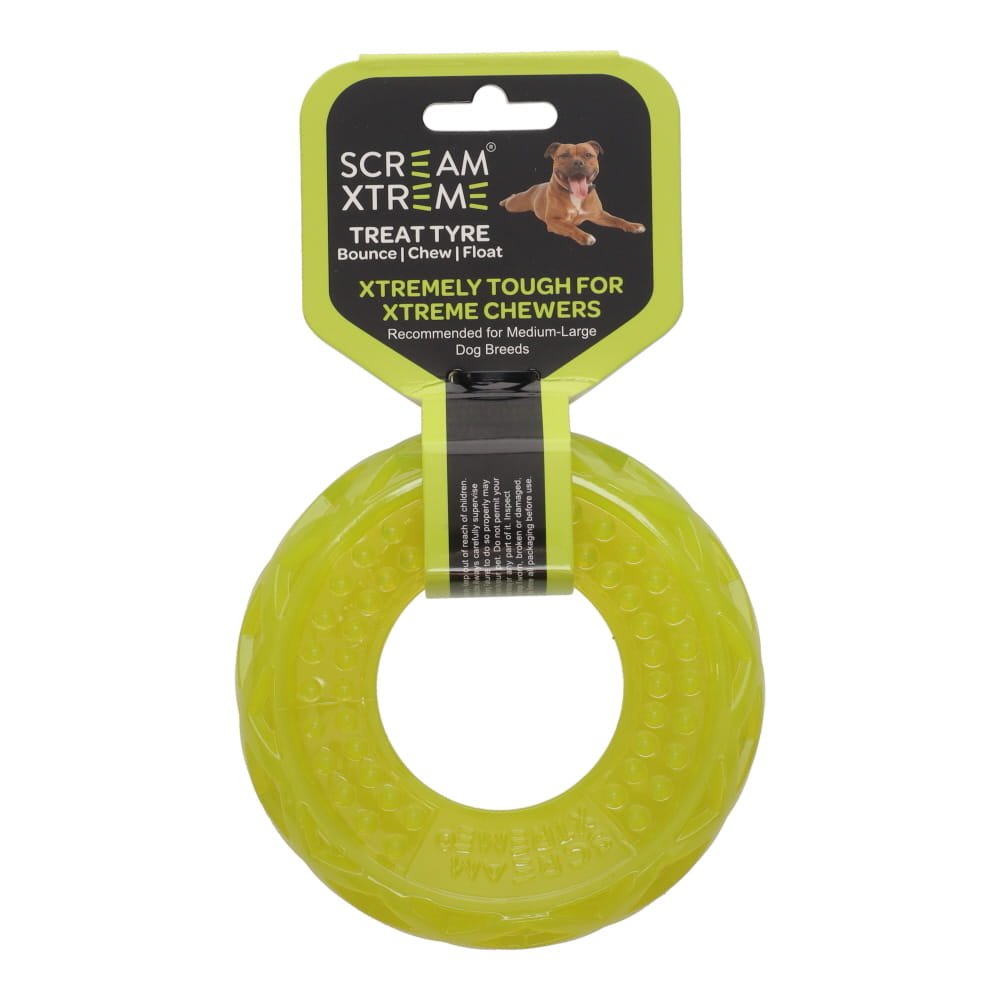
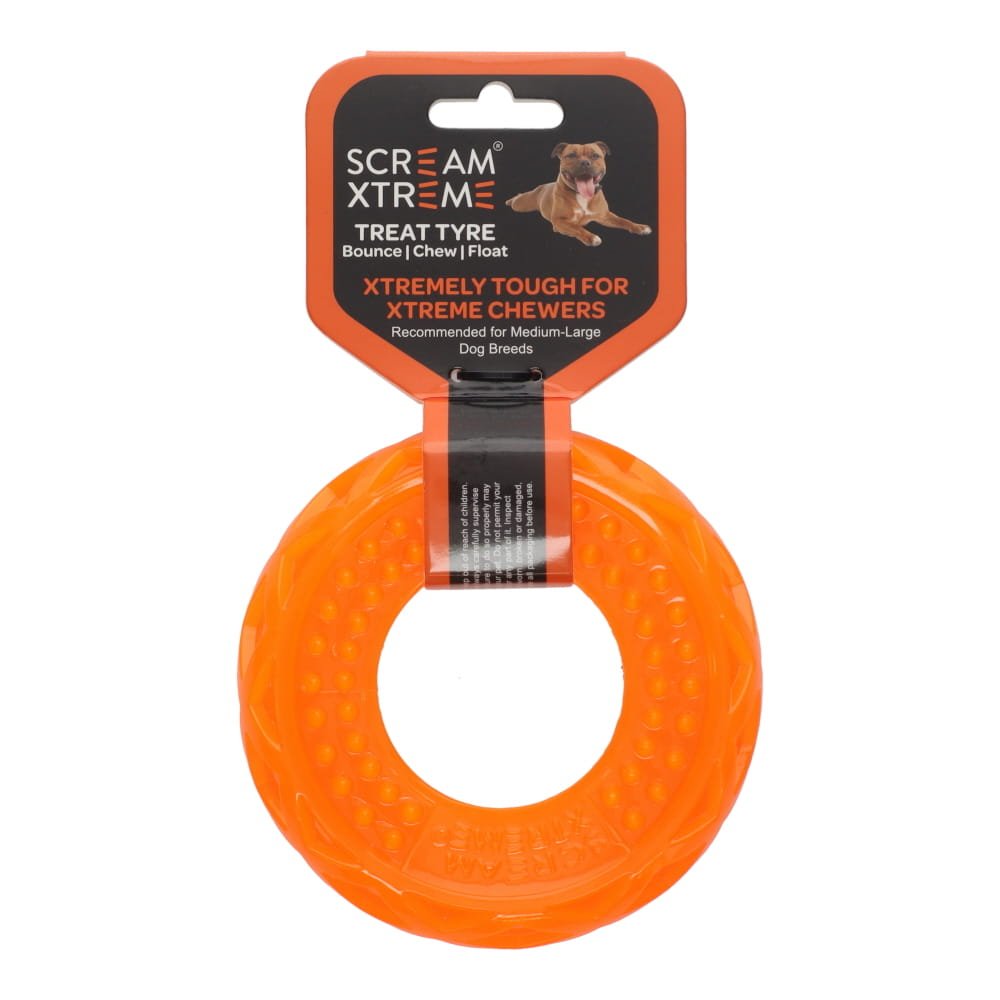
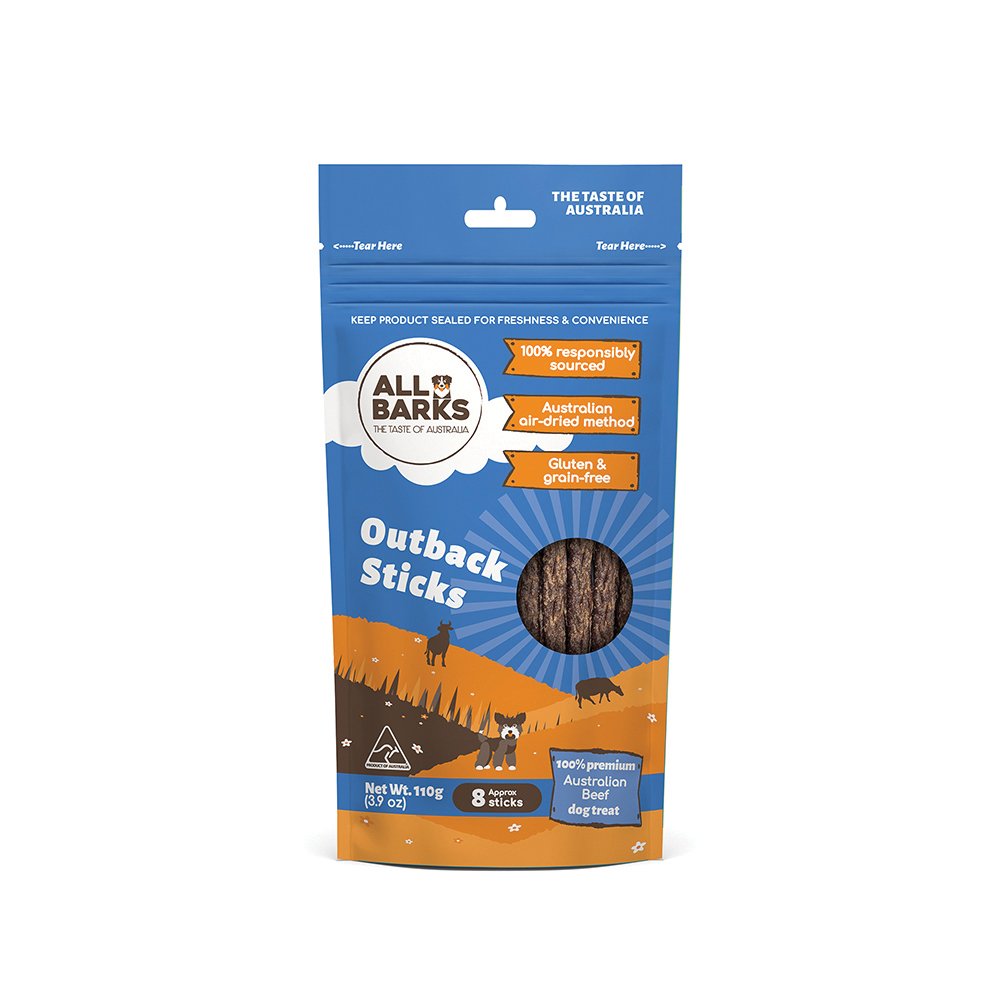
A treat toy that sits empty is just another toy. The All Barks Australian Natural Beef Dog Treat Sticks 110g ($30.95) break into small pieces that fit the tumbler and tyre. Count them as part of the day's food so your dog doesn't gain weight, which the RSPCA flags as a risk of relying on food-based activities.
The bundle: Bored Bulldog Brain Bundle
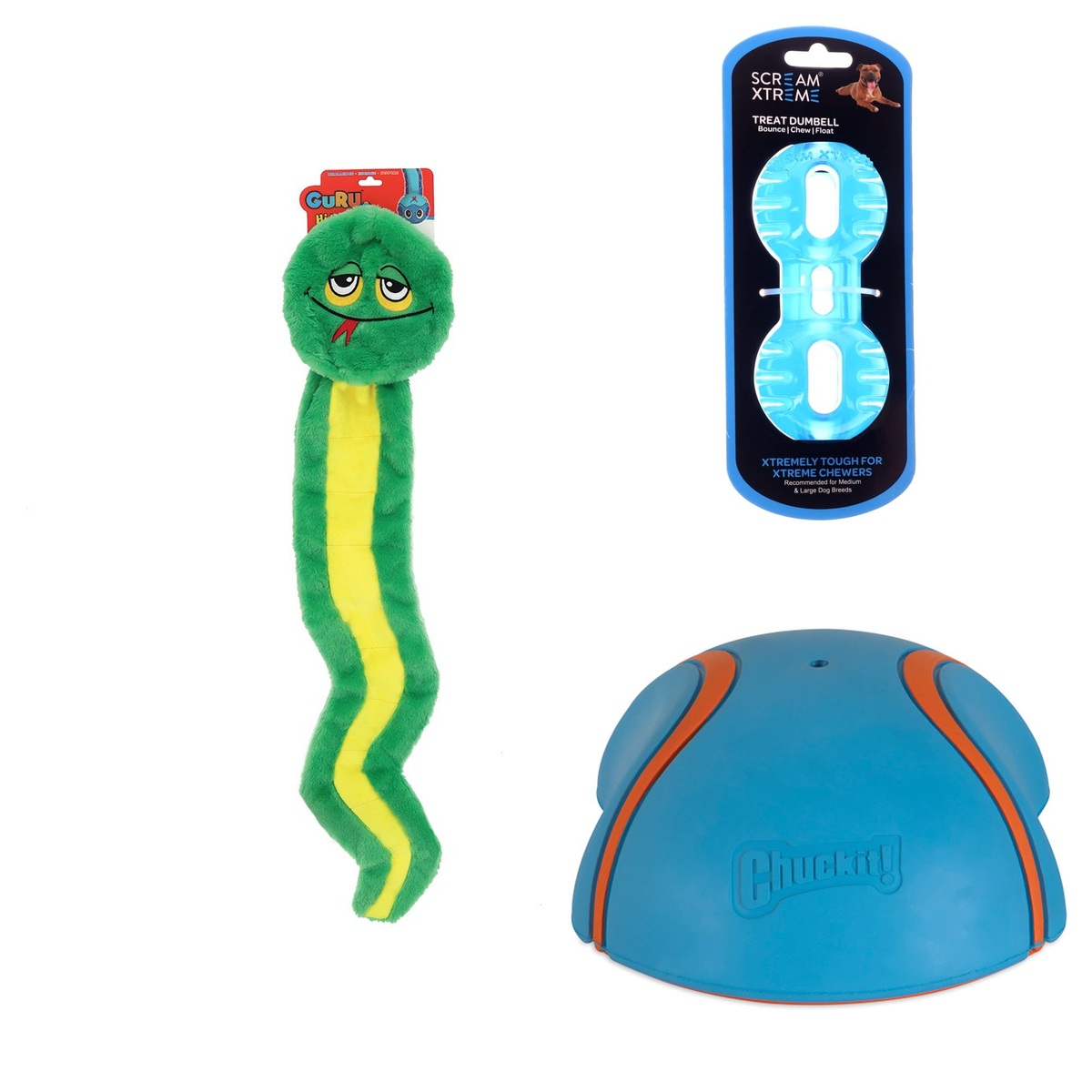
If you'd rather start with a set, the Bored Bulldog Brain Bundle ($93.95) has three toys: one to sniff out, one to chew for treats and one to chase indoors. It's useful for wet or hot days when a long walk isn't on. See also our guides for too hot to walk and needs to burn energy.
Step by step
Day 1: Check the basics. Write down when the chewing happens: when you're out, in the evening, after a quiet day. If any vet warning signs above apply, book that first.
Day 1: Put temptations away. Put shoes, socks, remotes, cords, kids' toys and washing out of reach, and use a closed bin. The ASPCA recommends this until your dog reliably chews only their own things.
Day 2: Set up their chew station. Give two or three of their own chews and one filled treat toy where they usually rest. Keep a couple more in the cupboard.
Days 2–7: Swap, don't scold. When you catch them chewing something wrong, calmly take it, hand them one of their own chews, and praise them when they use it. Never punish after the fact. The ASPCA says dogs can't link it to something they did earlier.
Week 1: Feed part of dinner through a puzzle. Put a portion of their daily food in the tumbler or tyre, especially at the times of day they tend to chew.
Week 1: Add short, cool activity. Two short walks at dawn and dusk, plus five minutes of sniffing games or training. On hot days, swap the walk for indoor games and watch closely for heavy panting.
Week 2: Make it harder. Pack the tyre more tightly, freeze it with wet food inside, or hide the tumbler in a different room so they have to find it first.
Week 2: Rotate toys. Swap the chews and puzzles out every couple of days so they feel new. The RSPCA notes dogs get bored with the same toys every day.
Week 3: Give more freedom slowly. Let them back into one room at a time while you're home. If chewing returns, go back a step.
Ongoing: Review and replace. Check chews weekly and throw out any that are worn thin or breaking into pieces. If nothing is improving after a few weeks, talk to your vet, who may refer you to a behaviour specialist.
Free plan
Free: The Chew-Swap Plan. Printable, one page.
FAQ
Will my bulldog puppy grow out of chewing?
Teething chewing usually eases at around six months, but the need to chew doesn't go away. Puppies who are taught early which things are theirs tend to keep choosing those.
Why has my adult bulldog suddenly started chewing?
A sudden change can be boredom after a change in routine, stress, or a health problem. Because medical conditions can cause dogs to eat non-food items, a sudden change in an adult dog is worth a vet visit.
Is it boredom or separation anxiety?
If the chewing happens mainly when you're out and comes with barking, pacing, toileting inside or trying to escape, it may be separation distress. Talk to your vet, as the RSPCA recommends.
Should I tell my dog off when I find something chewed?
No. Dogs can't link a telling-off to something they did earlier, and RSPCA Australia warns that punishing chewing without understanding the cause can create more problems.
Do bitter sprays work?
The ASPCA says taste deterrents can help, but only alongside teaching your dog what they are allowed to chew. On their own, they rarely solve it.
What are safe things for a bulldog to chew?
Choose chews sized so they can't be swallowed whole, supervise, and throw them out once they're worn or breaking. If your dog swallows a chunk of anything, the ASPCA advises calling your vet straight away.
How do I keep my bulldog busy when it's too hot to walk?
Use food puzzles, filled chew toys, short training sessions and sniffing games indoors. Flat-faced dogs can overheat at fairly mild temperatures, so mental work is safer than hard exercise on warm days.
Give your bulldog several short play sessions a day instead of one long one, keep them to the cool parts of the day, and stop before your dog is puffing hard.